Annapurna Base Camp Helicopter Tour from Pokhara
Shared seatfrom $600/person


Overview
The Annapurna Base Camp Helicopter Tour offers shared helicopter seats at $600 per person and private charters starting at $2,500 for a more exclusive Himalayan experience. For special groups, celebrations, or private occasions, contact Aero Connect Nepal to arrange a customized flight.
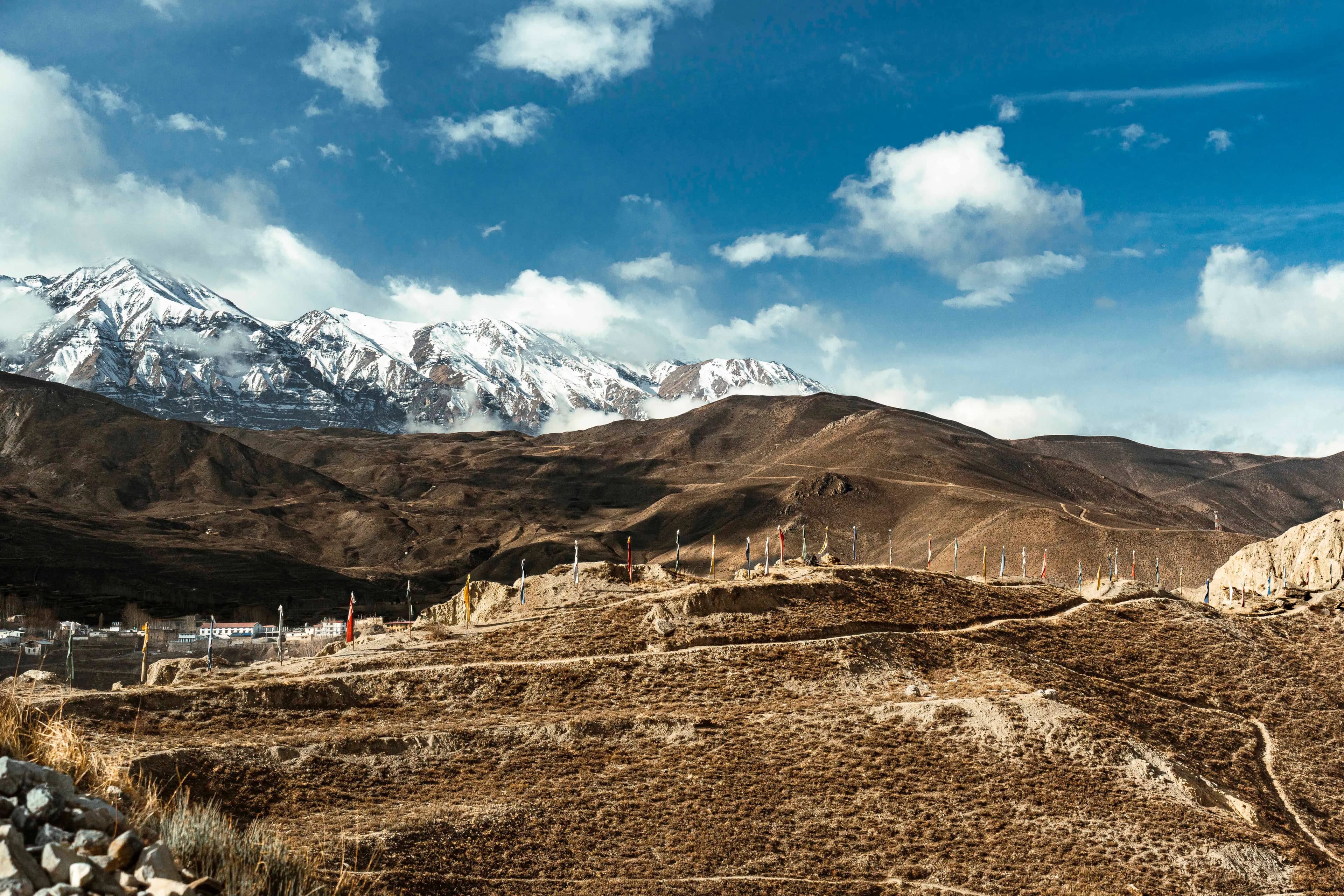
The Annapurna Base Camp Helicopter Tour offers a direct flight into the heart of the Annapurna Sanctuary, bringing you close to towering Himalayan peaks without the days of trekking required to reach base camp on foot. As the helicopter flies over Pokhara’s hills, traditional villages, and deep mountain valleys, you can enjoy aerial views of Annapurna I, Machhapuchhre (Fishtail), Hiunchuli, and the surrounding snow-covered mountains. The tour includes a landing at Annapurna Base Camp, weather and operational conditions permitting, giving you time to experience the high-altitude setting, take photographs, and appreciate the mountain scenery before returning to Pokhara.
Highlights
- Land at approximately 4,130 meters in the Annapurna Sanctuary.
- Experience the majestic flight from Pokhara
- Incredible views of Annapurna, Machhapuchhre, Hiunchuli, and other neighbouring peaks.
- Choose whether you want a shared seat or a private charter experience
- Incredible experience for time-constrained travellers,
Aero Connect Nepal, Shared and Private Options
Aero Connect Nepal helps travelers arrange Annapurna Base Camp helicopter flights through selected helicopter operators. We act as a booking agent, coordinating the requested experience and communicating confirmed arrangements rather than operating the aircraft ourselves.
Shared flights allow individual travelers and small groups to book seats on a scheduled or coordinated departure, subject to passenger demand and availability. Private charters provide an aircraft for your own group, with arrangements based on passenger numbers, weight limits, departure availability, and the operator's approval. Shared flights can offer a lower per-person cost, while private charters provide greater control over group arrangements and departure coordination.
Check out similar Shared vs Private options for Everest Base Camp Trek.
Safety and Altitude Flight Information
Annapurna Base Camp is about 4,130 meters high, where cold weather, thin air, changing winds, and fast-forming clouds can affect flight and landing decisions. The pilot has final authority over the route, landing, and return departure.
Weather and visibility:
Flights operate only when conditions meet the operator's and aviation authority's requirements. Under Visual Flight Rules (VFR), pilots must keep the visual references needed for safe flight.
Aircraft performance:
High altitude reduces helicopter lift and payload capacity. The operator must consider passenger weights, baggage, fuel, temperature, and current conditions.
Landing approval: A planned base camp landing may be shortened, moved, or cancelled if conditions are not suitable.
Passenger briefing:
Follow the crew's instructions when approaching, boarding, exiting, and photographing the helicopter. Never approach the aircraft until the crew tells you to do so. Health considerations: Travelers with heart or lung conditions, major mobility limitations, or other altitude-related concerns should seek medical advice before booking. Even a short visit can cause symptoms related to altitude.
Check out Best Winter Helicopter Tours in Nepal.
Best Time for Annapurna Base Camp Helicopter Tour
The best time for the Annapurna Base Camp Helicopter Tour is usually spring (March to May) and autumn (September to November), when clear mornings often give better views of the Annapurna range. Flights run year-round when conditions allow, but cloud cover, wind, snowfall, and monsoon rain can affect visibility, landing decisions, and departure times.
Spring (March to May)
Spring is one of the most popular times for this helicopter tour. Temperatures gradually warm, and clear mornings can offer excellent views of Annapurna I, Machhapuchhre (Fishtail), and the surrounding peaks. March and April are often the best months, while May can bring more cloud cover and pre-monsoon weather. The planned landing at Annapurna Base Camp remains subject to the pilot's assessment.
Autumn (September to November)
Autumn is a great time to visit Annapurna Base Camp by helicopter. After the monsoon, the air is often clearer, giving wide views of the Himalayan peaks. October and November are especially popular for mountain sightseeing, but morning fog, wind, or changing weather can still delay or prevent a landing.
Winter (December to February)
Winter has snow-covered mountain scenery and clear views on good days. However, temperatures at Annapurna Base Camp can drop far below freezing, and snow, strong winds, or poor landing conditions may delay flights. Travelers taking winter departures should bring warm clothing and keep their plans flexible.
Monsoon (June to August)
The monsoon is usually the least predictable time of year for this tour. Rain, low clouds, mist, and poor visibility can hide the mountains and make delays or cancellations more likely. Flights may still run in good weather, but travelers should allow extra time in Pokhara in case rescheduling is needed.
Read moreRead less
Trip Type
Shared and Charter
Difficulty Level
Easy
Max Altitude
4,130 m / 13,549 ft
Best Season
Autumn, Spring and Winter
Itinerary
Arrive at the confirmed departure point and complete check-in, weight verification, and the flight safety briefing. If your booking includes a hotel transfer, the driver will pick you up according to the confirmed schedule.
Fly to the Annapurna region on an approved route. As the helicopter climbs, the landscape changes from green hills and settlements to steep mountains and snow-covered peaks. Flight time depends on routing, weather, and operating conditions.
The helicopter approaches the Annapurna Sanctuary, where the surrounding peaks create a dramatic mountain setting. The pilot evaluates visibility, wind, aircraft performance, and landing conditions before deciding whether to land.
If the landing is approved, step out only when instructed by the crew. Enjoy the mountain views, photograph the Annapurna peaks, and experience the high-altitude surroundings. Ground time is determined by operational limits, weather, and the confirmed flight plan.
Board the helicopter when instructed and return to Pokhara along an approved route. After landing, continue with your own onward arrangements or the transfer included in your booking.
Practical Details
Who can enjoy an ABC Helicopter Tour?
ABC helicopter tour is ideal for those travelers who want to experience the high Himalayas without the physical strain or time commitment of a multi-day trek. Some travellers prefer a helicopter tour instead of starting their trek from Pokhara and spending up to two weeks in the wilderness of the Annapurna region. Here are the travellers who can enjoy the ABC Helicopter Tour.
Non-Trekkers & Seniors:
Travelers of older age or those who cannot physically walk or hike for 7 to 12 days can easily reach the 4,130-meter base camp. The route is designed to be accessible for a wider range of visitors. This makes the base camp a more practical option for people who prefer a less physically demanding journey.
Time-Constrained Travelers:
People on a tight vacation schedule who want a quick Himalayan getaway within 1 to 3 hours. It is ideal for travelers looking to make the most of a short break without spending too much time in transit. The destination offers a convenient balance of scenery, accessibility, and minimal planning.
Luxury & Comfort Seekers:
Travelers looking for a lavish, stress-free alternative to rugged mountain trails. They prefer scenic experiences with added ease and elegance. Comfort, convenience, and relaxation are their top priorities.
Families & Children:
Families who want to show children or relatives high-altitude glaciers and panoramic peaks safely. The experience is designed to be family-friendly and memorable for all ages. It offers a safe way to enjoy the scenery together while creating lasting shared moments.
Photographers & Nature Lovers:
Anyone looking for aerial views and up-close photography of peaks like Annapurna I, Machhapuchhre (Fishtail), and Hiunchuli. It offers a memorable perspective for landscape enthusiasts. The experience is especially rewarding in clear weather.
Photography tips for ABC helicopter tour
Capturing stunning aerial shots from a helicopter requires a mix of the right camera settings, smart gear choices, and a bit of pre-flight prep. Taking a helicopter tour offers a breathtaking, bird's-eye perspective of the landscape, but shooting through plexiglass windows while dealing with constant engine vibrations can be challenging for photographers of any skill level.
Camera Stabilization:
Use gimbals and helicopter-mounted mounts for smooth aerial shots. These tools help stabilize the camera during movement and reduce unwanted shake. They are especially useful for capturing dynamic footage from the air.
Lens Selection:
Wide-angle lenses for landscapes, telephoto for peak close-ups. A versatile zoom can also help when you need to adapt quickly. A sturdy tripod is useful for sharper results in changing light.
Flight Timing:
Early morning for sunrise shots, late afternoon for warm light and soft shadows. Plan to arrive a little before golden hour to get set up. Check local sunrise and sunset times in advance for the best results.
Altitude Considerations:
Plan shots at 4,000–4,200 m near ABC for maximum peak coverage while ensuring passenger comfort. Monitor changing light and weather conditions closely at this elevation to maintain image quality. Allow extra time for acclimatization and equipment setup before beginning the shoot.
Battery & Equipment:
High-altitude flights drain batteries faster. Carry spares for cameras, drones, and gimbals. Keep batteries warm in your carry-on so they do not lose charge as quickly. Bring a power bank and the right adapters for charging on the go.