NA
The Everest Region Helicopter Charter Flight is a premium aerial adventure designed to provide direct, time-efficient access to the heart of the Himalayas, including the Everest (Khumbu) region. Operated by experienced aviation teams such as Aero Connect Nepal, this service allows travelers to witness Mount Everest and the surrounding peaks without requiring days of trekking. The journey typically begins in Kathmandu and follows a carefully planned high-altitude route through Lukla and deeper into the Khumbu Valley.
This helicopter charter experience is not just transportation—it is a curated mountain expedition in the sky. Passengers fly over glaciers, icefalls, Sherpa villages, and dramatic alpine landscapes while receiving real-time narration from experienced pilots. Depending on weather and safety conditions, the itinerary may include scenic landings at Lukla, Kala Patthar, or the Everest View Hotel, offering multiple perspectives of the world’s highest mountain system.
Unlike fixed-wing flights, helicopters provide flexibility, closer viewpoints, and the ability to land in remote Himalayan terrain. This makes the experience ideal for luxury travelers, photographers, mountaineers, and time-limited visitors who want a complete Everest region experience in a single day.
The best seasons for an Everest Region Helicopter Charter Flight are primarily Spring (March to May) and Autumn (September to November). These periods offer the most stable weather conditions in the Himalayas, with clearer skies, minimal precipitation, and excellent mountain visibility. During these months, flights are more likely to operate smoothly with uninterrupted views of Everest and surrounding peaks.
Spring is especially popular due to blooming rhododendrons in lower regions and generally calm morning flying conditions. Autumn, on the other hand, follows the monsoon season, resulting in exceptionally clean air and sharp visibility of the distant Himalayan ranges. Winter flights are also possible but may face cold temperatures and occasional weather disruptions, while the monsoon season (June to August) is least recommended due to cloud cover and rain.
Operators like Aero Connect Nepal carefully monitor weather forecasts and mountain wind conditions before each departure to ensure passenger safety and optimal viewing experiences.
Seasonal breakdown:
Additional operational considerations include early morning departures (best visibility window), altitude wind patterns, and airport conditions at Lukla, which significantly influence flight scheduling.
Choosing an Everest Region Helicopter Charter Flight offers a unique combination of luxury, accessibility, and immersive Himalayan exploration. Instead of multi-day trekking routes, travelers can experience the full grandeur of Everest in just a few hours, making it ideal for those with limited time or physical constraints. The experience blends adventure with comfort, providing panoramic views that are otherwise inaccessible by road or foot.
With professional operators such as Aero Connect Nepal, safety, precision, and passenger comfort are prioritized. Modern helicopters, experienced pilots, and strict altitude protocols ensure a secure journey even in challenging Himalayan conditions. Additionally, customizable charter options allow private groups, photographers, and VIP travelers to tailor their itinerary.
This experience is also highly valued for its photographic opportunities. The ability to hover, adjust flight paths, and land near key viewpoints gives travelers unmatched angles of Mount Everest and surrounding peaks.
Key reasons to choose this flight:
Overall, the Everest helicopter charter is considered one of the most efficient and visually rewarding ways to experience the Himalayas, combining adventure, exclusivity, and breathtaking natural beauty in a single journey.
Early Morning – Kathmandu Departure
The adventure begins early in the morning from Kathmandu, where passengers are received by the professional ground team of Aero Connect Nepal for a pre-flight briefing covering safety procedures, altitude awareness, and the planned helicopter route to the Everest region. After a short orientation, guests are transferred to the domestic helicopter terminal for boarding. As the helicopter lifts off, panoramic views of the Kathmandu Valley unfold, gradually transitioning into rolling hills and river systems. The flight offers a smooth yet thrilling ascent into the Himalayan terrain, marking the beginning of an unforgettable aerial journey toward the world’s highest mountains.
Lukla Airport – Short Landing & Refueling Break
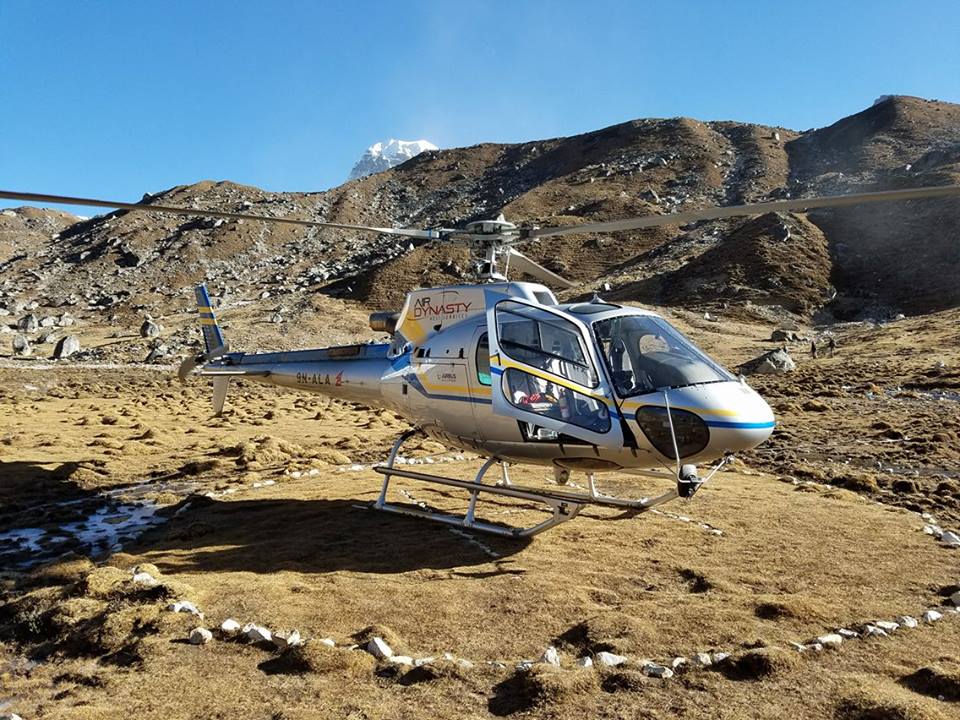
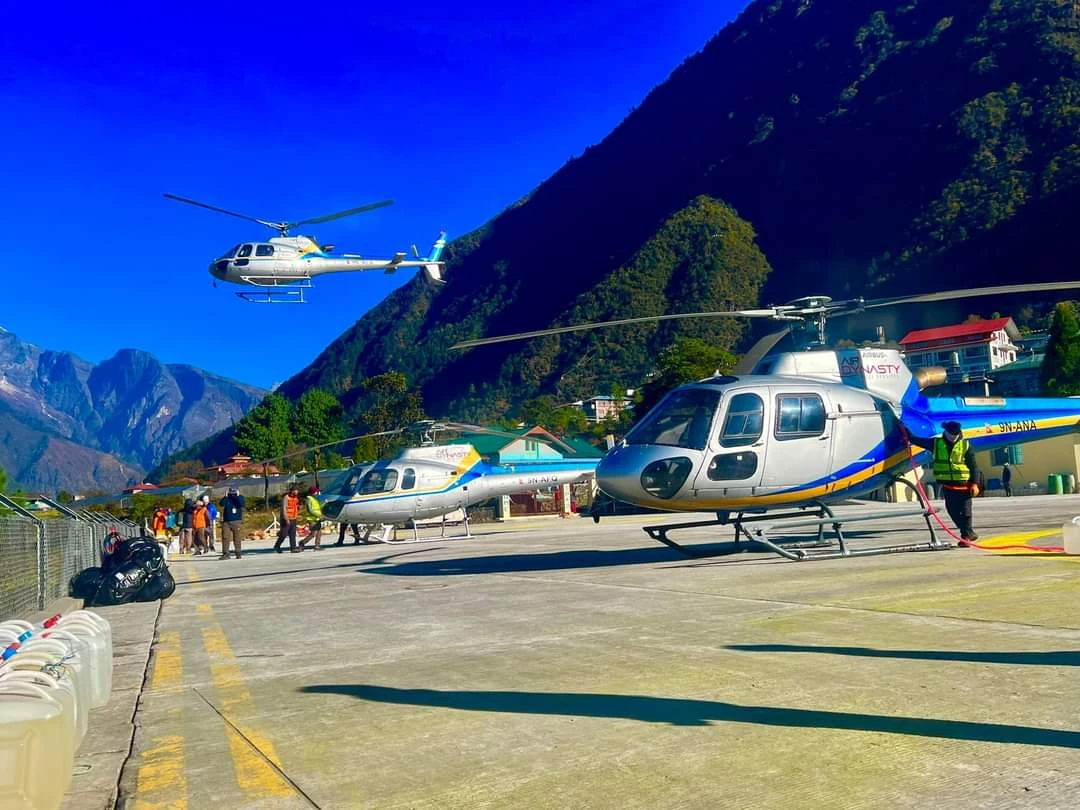
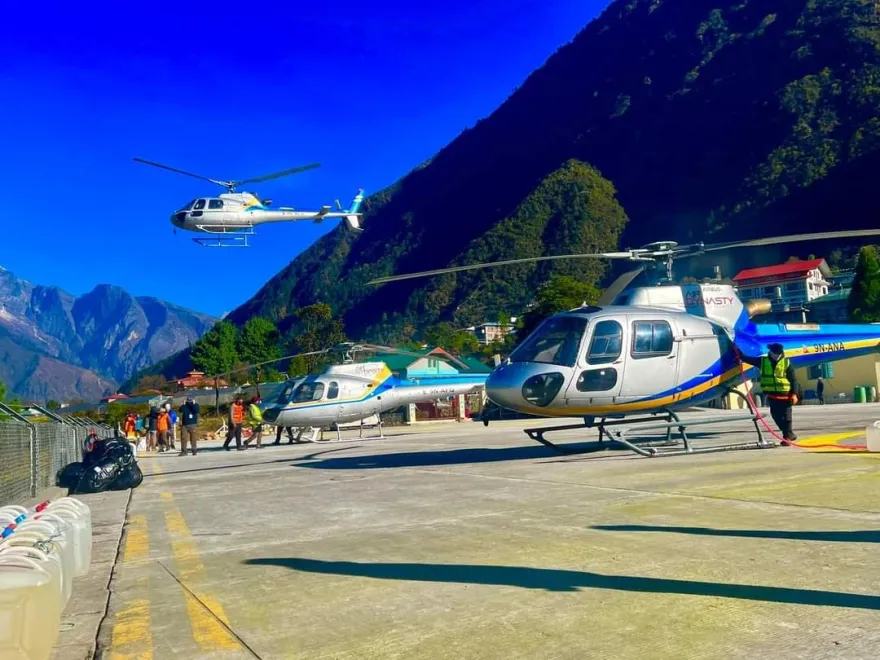
The helicopter makes a strategic stop at Lukla Airport, one of the most famous mountain airports in the world, to refuel and conduct operational checks. This brief halt also allows passengers to experience the dramatic surroundings of the Khumbu region, with steep valleys and rugged Himalayan landscapes all around. The crew ensures all safety and weather conditions are optimal before continuing the high-altitude segment of the journey. From Lukla, the atmosphere becomes noticeably more alpine, and the air grows thinner, enhancing anticipation for the upcoming Everest panorama flight. This stop is essential for both safety and efficiency in high-altitude helicopter operations.
Mid-Morning – Flight to Everest Base Camp / Kala Patthar
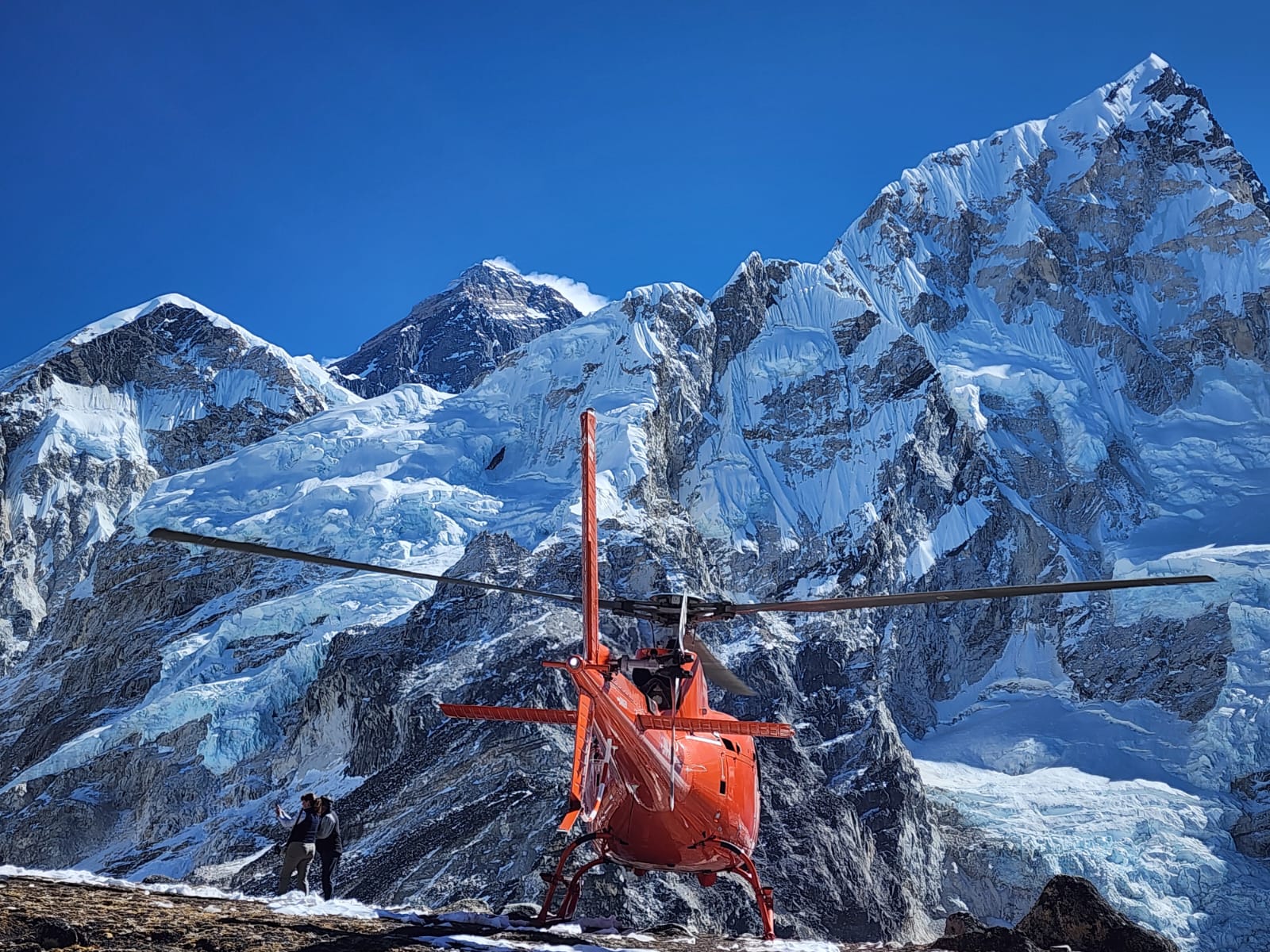
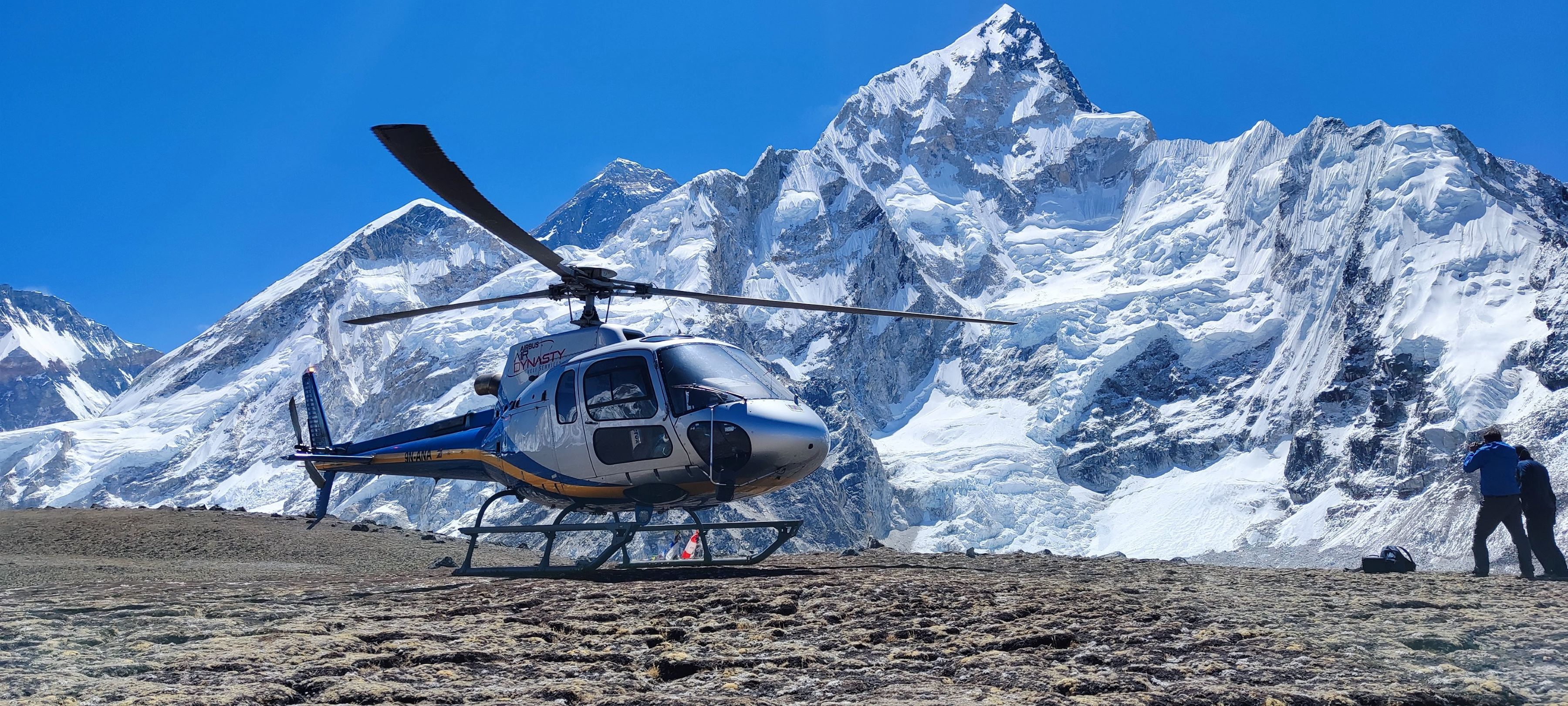
After departing Lukla, the helicopter ascends deeper into the Khumbu region, heading toward the iconic Everest Base Camp and Kala Patthar viewpoint. This segment of the flight delivers breathtaking aerial perspectives of glaciers, icefalls, and towering Himalayan peaks, including views of Mount Everest itself. The pilot may perform a scenic flyover or brief landing at Kala Patthar, depending on weather and operational conditions, allowing passengers to step into a high-altitude environment surrounded by some of the world’s most legendary mountains. The experience is both surreal and humbling, as the vastness of the Everest region unfolds beneath.
Late Morning – Breakfast at Everest View Hotel
Following the high-altitude sightseeing, the helicopter descends toward the renowned Everest View Hotel, celebrated as one of the highest-altitude hotels in the world. Here, guests enjoy a carefully arranged breakfast experience while surrounded by panoramic views of Everest, Ama Dablam, and neighboring Himalayan peaks. The stop provides a comfortable break from the extreme altitude while still preserving the extraordinary scenery. Hot beverages and light meals are served as travelers reflect on the aerial journey so far. The combination of luxury, comfort, and unmatched natural beauty makes this stop a highlight of the entire Everest helicopter charter experience.
Afternoon – Return Flight to Kathmandu & Hotel Transfer
In the afternoon, the helicopter begins its return journey to Kathmandu, retracing the dramatic Himalayan landscapes from a new perspective as sunlight shifts across the mountains. The descent gradually brings warmer air and greener terrain into view, signaling a return from the high Himalayas to the capital valley. Upon landing, passengers are warmly received by the Aero Connect Nepal ground team and transferred to their respective hotels. The experience concludes with lasting memories of Everest’s grandeur, combining adventure, comfort, and breathtaking scenery in a single-day luxury helicopter expedition.
Your Start Date is the day you land in Nepal, and your End Date is when you fly home.
If the set Everest Region Helicopter Charter Flight group dates don’t suit your schedule, we can offer alternative dates upon request.
Yes, the Everest helicopter charter flight operated by Aero Connect Nepal is designed with strict international aviation safety standards. The helicopters are regularly maintained, and flights are operated only by highly experienced pilots trained in high-altitude Himalayan conditions. Weather conditions in the Everest region are continuously monitored before and during the flight to ensure passenger safety. In addition, emergency protocols and oxygen support are available on board if required. Safety briefings are conducted before departure, ensuring that passengers understand altitude awareness, seating arrangements, and flight procedures for a secure and comfortable journey.
The best time for an Everest helicopter flight operated by Aero Connect Nepal is during the pre-monsoon season (March to May) and post-monsoon season (September to November). During these months, the skies are generally clearer, offering stunning visibility of Mount Everest and the surrounding peaks. Morning flights are especially recommended because wind conditions are calmer, and cloud formations are minimal. Winter months can also offer crystal-clear views, although temperatures are colder. Flights are usually dependent on weather conditions, and flexibility is important, as Himalayan weather can change quickly even within a single day.
Weather in the Everest region is highly unpredictable, and flights with Aero Connect Nepal are strictly dependent on safe flying conditions. If weather is unsuitable, the flight may be delayed, rescheduled, or occasionally canceled for safety reasons. Pilots and operations teams continuously monitor weather forecasts and real-time mountain conditions. If a cancellation occurs, passengers are usually offered an alternative date or a refund based on the booking policy. Safety always takes priority over schedule, especially in high-altitude Himalayan flights where visibility, wind speed, and cloud cover can change rapidly.
Altitude sickness is generally rare during Everest helicopter flights operated by Aero Connect Nepal because the exposure to high altitude is short and controlled. However, during landings at places like Kala Patthar or Everest View Hotel, some passengers may feel mild symptoms such as shortness of breath or lightheadedness. To minimize discomfort, the helicopter ascends gradually and limits ground time at extreme altitudes. Oxygen supply is available if needed, and pilots are trained to respond quickly to any passenger discomfort. Most travelers find the experience manageable and highly enjoyable due to the brief duration at high altitude.
Passengers flying with Aero Connect Nepal are advised to carry warm layered clothing, sunglasses, sunscreen, gloves, and comfortable footwear due to rapidly changing high-altitude weather conditions. A valid passport or ID is also required for permits and airport procedures. Cameras or smartphones are highly recommended to capture the Himalayan views, but passengers should secure them properly during flight. Light snacks and water may be useful, although some packages include meals at Everest View Hotel. Heavy luggage is not allowed on board, so only essential personal items should be carried for the flight.
The Everest helicopter charter package from Aero Connect Nepal generally includes hotel pickup and drop-off in Kathmandu, helicopter flight to the Everest region, scenic flyovers of major landmarks like Lukla, Kala Patthar, and Everest Base Camp, and sometimes landing opportunities depending on weather conditions. A safety briefing and professional pilot service are also included. Some packages may include breakfast at Everest View Hotel, while others offer optional add-ons. However, personal expenses, insurance, and visa costs are not included. The itinerary is carefully planned to maximize views and comfort within a safe operational flight duration.
During the Everest helicopter charter experience by Aero Connect Nepal, the helicopter typically reaches altitudes of up to 5,500 meters depending on landing points such as Kala Patthar. This makes it one of the highest scenic flights in the world. The helicopter carefully ascends in stages to allow passengers to adjust to altitude changes safely. Oxygen support may be provided if necessary during high-altitude stops. The pilot ensures that the aircraft maintains safe performance limits while still providing close-up views of Mount Everest and surrounding Himalayan peaks, glaciers, and rugged mountain landscapes.
Landing at Everest Base Camp or Kala Patthar depends on weather conditions, air traffic regulations, and environmental restrictions. In most cases, helicopters from Aero Connect Nepal are more likely to land at Kala Patthar rather than Everest Base Camp, as it provides the best panoramic view of Mount Everest. Base Camp itself often does not allow regular landings due to safety and environmental protection rules. However, pilots frequently perform low-altitude flyovers of Everest Base Camp, giving passengers a close and memorable visual experience of the climbers’ route and surrounding glacier system.
Weight restrictions are very important in Everest helicopter operations. Flights operated by Aero Connect Nepal typically follow strict weight distribution rules to ensure safety at high altitude. Each helicopter has a maximum payload capacity, and passenger weight is often grouped for balance during flight. Usually, 2–5 passengers may fly together depending on total weight and weather conditions. If necessary, shuttle flights may be arranged. Passengers are advised to provide accurate weight information during booking to ensure proper planning and safe operation of the helicopter charter in the Himalayan environment.
The number of passengers depends on the helicopter model used by Aero Connect Nepal and total weight considerations. Typically, Everest helicopter tours accommodate 3 to 5 passengers per flight, excluding the pilot. However, due to high-altitude operational restrictions, group size may be reduced for safety and performance reasons. In some cases, shuttle rotations are used for larger groups to ensure everyone gets a safe and comfortable experience. Seating is arranged to balance weight distribution and maximize window views so that all passengers can enjoy panoramic scenery of the Everest region.
| No of people | Price per person |
|---|---|
| 1 - 4 | $9,500 |
| 5 - 6 | $8,500 |


 (202)
(202)  100% recommend (350)
 (400)
(400)