The best trekking seasons in Nepal are spring, from March to May, and autumn, from September to November. These months usually have the best weather, visibility, trail conditions, and temperatures, so they are the busiest times for trekking in popular regions like Everest, Annapurna, Langtang, and Manaslu.
Spring brings warmer temperatures, especially at higher elevations, and rhododendron forests add color to many trekking areas. Autumn comes after the summer monsoon, so the air is usually drier, and mountain views are often clearer. These conditions draw many trekkers, especially in October and November. However, the best time is not the same for every route because altitude, regional weather, and trail conditions vary across Nepal.
This guide covers the main weather conditions during Nepal's peak trekking seasons, plus the best regions to trek in spring and autumn. It also explains trail crowds, accommodation availability, typical trekking costs, helicopter availability, packing needs, and practical booking advice. If you are planning a popular trek such as Everest Base Camp, Annapurna Base Camp, or the Manaslu Circuit, knowing seasonal demand can help you choose the right dates and arrange flights, accommodation, guides, and other services before availability becomes limited.
Nepal has two main peak trekking seasons: spring, from March to May, and autumn, from September to November. These are the best times to trek because the weather is usually better, mountain views are clearer, and conditions are more reliable than during the summer monsoon or colder winter months.
Spring is one of the best times to trek in Nepal. The weather usually becomes more stable as the season goes on, and temperatures gradually rise, making daytime trekking more comfortable. Mountain views are often clear on good days, and the rhododendron forests in the mid-hills are a major highlight. Everest, Annapurna, Langtang, and other major trekking regions are especially busy in April and May.
Autumn starts after the summer monsoon and is one of the best times to trek in Nepal. As the rains ease, the skies are usually clearer, and mountain views often improve. Daytime temperatures stay comfortable for walking, and lower humidity makes conditions more pleasant at lower and middle elevations. Popular routes like Everest Base Camp and the Annapurna Circuit are especially busy, with October usually one of the peak trekking months.
Spring and autumn combine favorable weather with better visibility and generally suitable trail conditions, making trekking easier to plan. Teahouses and lodges along established routes are open, while guides, porters, transportation, and other trekking services are more readily available. The same favorable conditions also bring higher demand, so popular routes can become crowded, and accommodation and transportation should be arranged early.
These seasons are often the most comfortable times to trek, but conditions can change quickly, especially in higher elevations. Packing layers and checking local forecasts before setting out can help you stay prepared for cooler mornings, warmer afternoons, and occasional rain or wind.
| Factor | Spring | Autumn |
|---|---|---|
| Months | March to May | September to November |
| Weather | Gradually warmer with generally favorable trekking conditions | Generally stable after the monsoon |
| Mountain Visibility | Good, especially later in the season | Often excellent, with clear post-monsoon skies |
| Daytime Temperatures | Mild to warm at lower elevations | Mild and comfortable |
| Morning & Evening | Cool, especially at higher elevations | Cool to cold, particularly at higher elevations |
| Trail Conditions | Generally good, although snow can remain at high passes | Generally dry after the monsoon |
| Rainfall | Usually limited, with some increase toward May | Low after the monsoon, particularly in October and November |
| Crowds | High | Very high |
| Accommodation Demand | High | Very high |
| Mountain Photography | Good views with colorful spring landscapes | Excellent visibility and clear mountain backgrounds |
| Main Attraction | Rhododendron blooms and improving weather | Clear skies and sharp Himalayan views |
| Best For | Flowers, spring scenery, and comfortable trekking | Mountain views, photography, and stable conditions |
| Booking Demand | High | Very high |
| Overall | Excellent trekking season | Generally the most popular trekking season |
Autumn is usually the better choice if you want clear mountain views, stable weather, and good visibility after the monsoon, especially in October and November. Spring is a good alternative if you prefer blooming rhododendrons and greener, more colorful landscapes as temperatures rise. The best season depends on what matters most to you: clear Himalayan views in autumn or flowers and spring scenery.
Weather is a main reason spring and autumn are considered Nepal's peak trekking seasons. Conditions vary by month and altitude, but March to May usually brings warmer temperatures, while September to November offers drier weather and clearer mountain views after the monsoon.
March is the start of the spring trekking season. Mornings and evenings are cooler, especially at higher elevations. Some winter conditions can still remain on high passes and at mountain destinations, but temperatures gradually warm through the month. Lower-altitude trails are usually more comfortable than in winter, while trekkers going above 4,000 meters should still be ready for cold conditions.
April is a good month for trekking in Nepal, with warmer temperatures at lower elevations and generally suitable weather on major trekking routes. It is also rhododendron season, which adds color to trails through Nepal's middle hills and mountain forests. Clear days can offer good mountain views, though clouds may build later in the month.
May is warmer, especially at lower elevations, and is still part of the main spring trekking season. Mountain views can still be good on clear mornings, but cloud cover usually increases as the summer monsoon approaches. Lower sections of a trek feel warmer, while high elevations remain much colder.
September
September is the changeover from the summer monsoon to the autumn trekking season. Rain and clouds can still appear, especially early in the month, but conditions usually improve by late September as the monsoon withdraws. Trekkers should keep their plans flexible, particularly for flights to mountain airstrips.
October is one of Nepal's most popular trekking months because the weather is usually stable and mountain views are often excellent. After the monsoon, the skies are often clearer, giving great views of the Himalayas, and daytime temperatures are comfortable for trekking at many elevations. These good conditions also make October one of the busiest months on popular routes.
November
November is cooler as winter approaches, but the main trekking regions are usually dry. Clear skies often give great mountain views, though mornings and evenings get colder, especially at higher elevations. Trekkers going to high-altitude areas should bring enough warm clothing, even if the daytime feels comfortable.
Nepal's main trekking seasons generally suit most major regions, though weather, altitude, and trail conditions vary by area. Everest, Annapurna, Langtang, and Manaslu are especially popular in spring and autumn, while Upper Mustang has a different climate because it lies in the Himalayas' rain shadow.
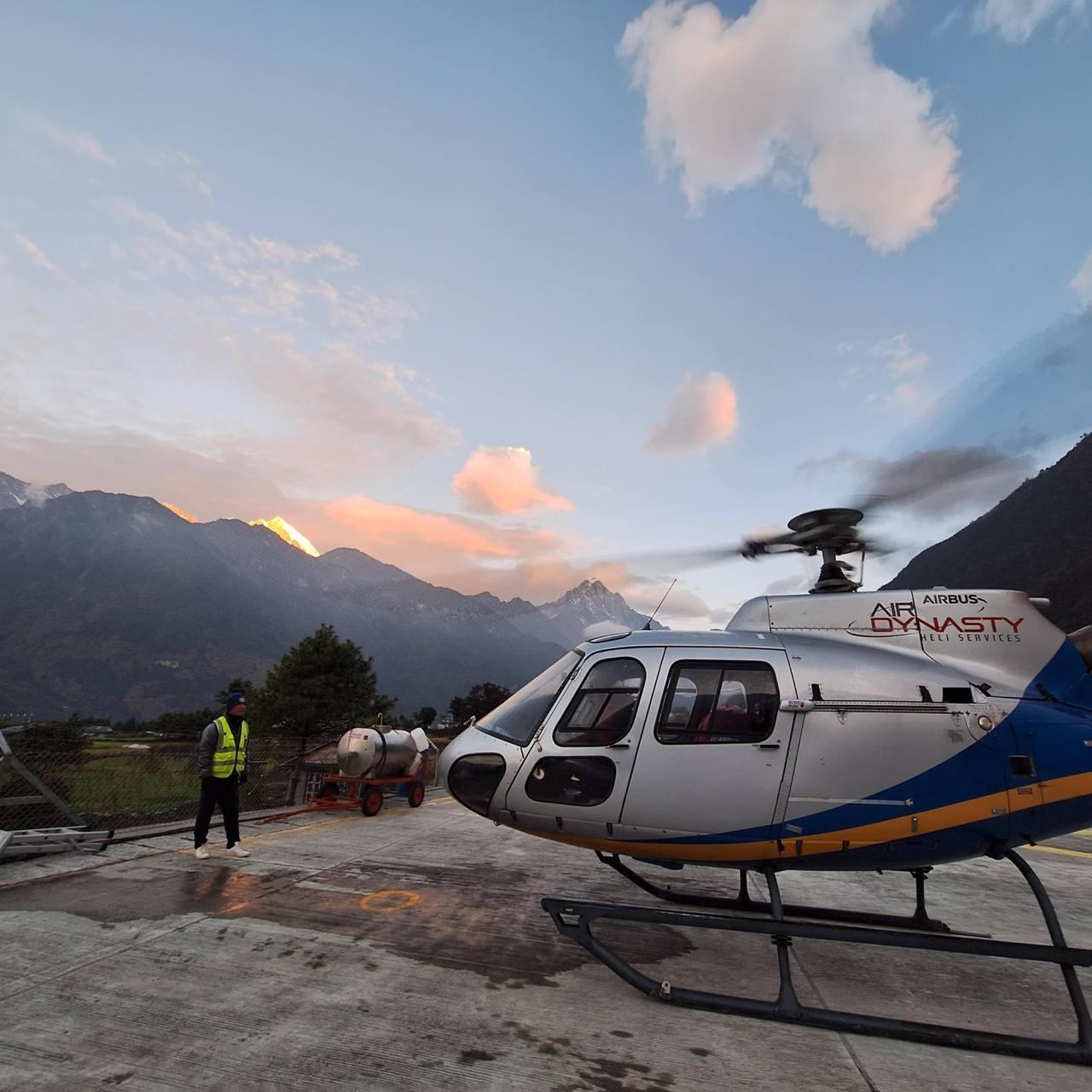
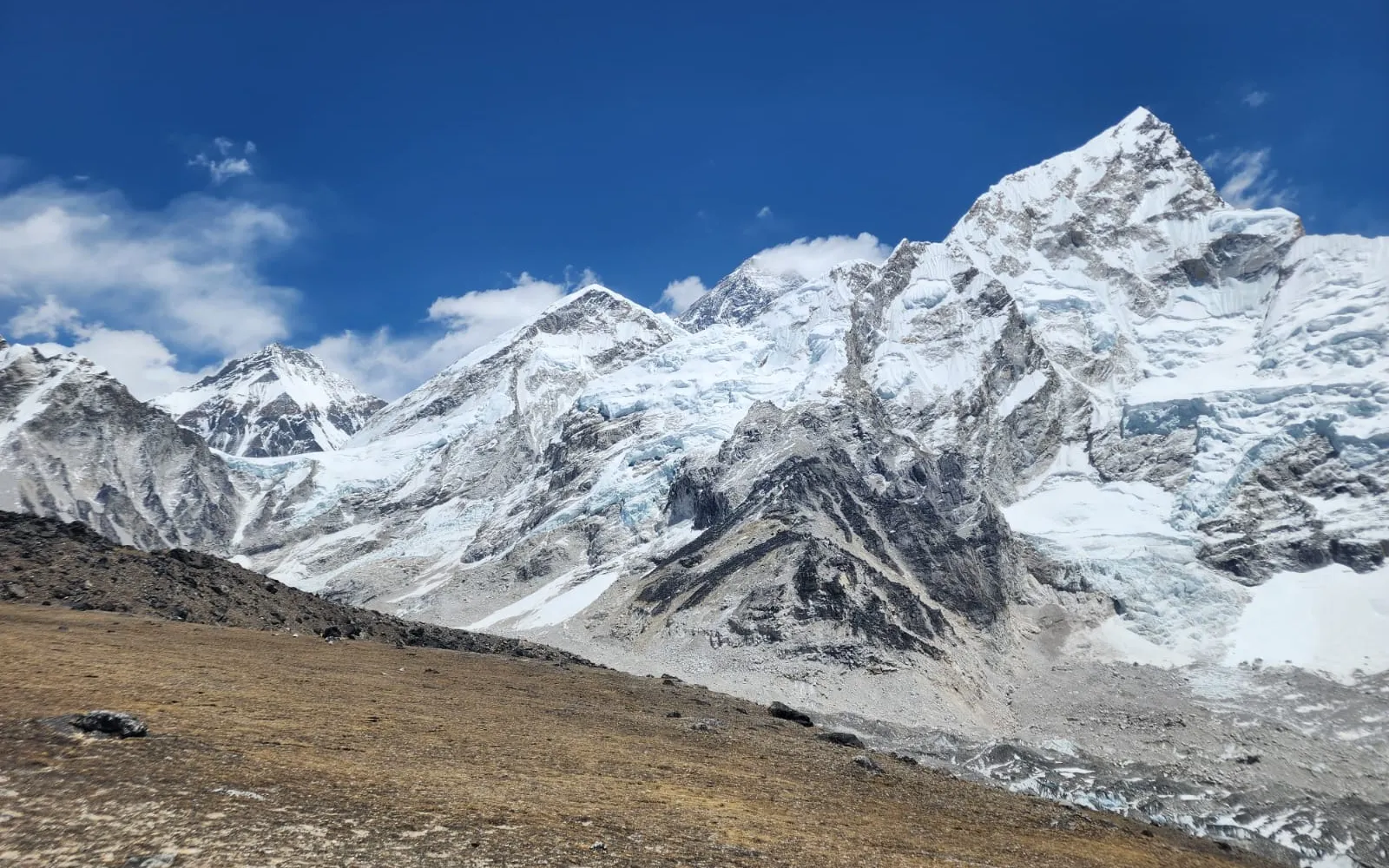
The Everest Base Camp Trek is best in spring and autumn, especially from March to May and September to November. Weather and visibility are usually good, but conditions can change quickly at higher elevations. The trails are busiest in October and April, and teahouses at popular overnight stops can fill up fast. Travelers flying to Lukla should keep plans flexible because clouds, wind, and low visibility can affect fixed-wing and helicopter flights. It is wise to book accommodation, guides, transportation, and other services in advance during the busiest times.
The Annapurna region has several popular routes, including Annapurna Base Camp, Annapurna Circuit, and Ghorepani Poon Hill. Spring and autumn usually offer good trekking conditions, but temperatures and weather can change a lot between the lower valleys and the higher parts of the routes. Lower elevations are often warm during the day, while higher areas stay cold, especially in the morning and evening. Spring is known for rhododendron blooms, and autumn often has clearer mountain views after the monsoon.
The Langtang Valley Trek is a good option in both spring and autumn. Spring brings rhododendron flowers and pleasant views in the lower and middle parts of the route, while autumn usually offers clearer mountain views. Compared with Everest, Langtang usually has fewer trekkers, so it can be a good choice for travelers who want to avoid the busiest trails during peak season. It also offers a relatively easy Himalayan trekking experience from Kathmandu.
The Manaslu Circuit is best trekked in spring or autumn, when weather and trail conditions are usually better. Unlike unrestricted trekking routes, the Manaslu region has restricted areas that require special permits and trekking arrangements. Because the route is becoming more popular, it is important to plan ahead for permits, accommodation, transportation, guides, and other required services. It also gets much colder at higher elevations, especially around Larkya La.
Upper Mustang has different weather from many other trekking regions because it lies in the Himalayas' rain shadow. As a result, it receives much less rainfall than Nepal's southern and eastern mountain regions, so it can be a good option during the monsoon when other trekking routes are affected. Spring and autumn are still the best seasons, with generally good trekking conditions and the region's arid landscapes, ancient settlements, monasteries, and Tibetan-influenced culture.
Temperature changes a lot across Nepal's trekking routes because elevation rises quickly from the lower valleys to the high Himalayas. Spring usually gets warmer as it goes on, while autumn starts mild and gets colder toward November, so trekkers should be ready for different conditions at each altitude.
Lower-elevation areas are usually comfortable during the day in spring and autumn. Spring is warmer, while late autumn is cooler, especially in the mornings and evenings. Light layers are usually enough during the warmer parts of the day, with a jacket useful when it gets cooler.
Temperatures get cooler as trekking routes rise, especially in the early morning and after sunset. Layered clothing is important because conditions can change during the day, and the same route can feel much colder at higher elevations than in the valley below. Spring usually gets warmer gradually, while autumn gets cooler as November approaches.
High-altitude areas stay cold even during Nepal's trekking seasons, especially in the mornings and at night. Temperatures can drop below freezing, particularly at higher camps and in late autumn, and strong winds can make it feel even colder. Warm layers, including a down jacket, gloves, a hat, and suitable base layers, are important for comfort and protection.
The temperature in Kathmandu cannot predict conditions at Everest Base Camp or another high-altitude destination because temperatures get colder as elevation rises. Trekkers may face warm weather at the start of a trek and freezing temperatures several days later, so packing should cover the full range of conditions along the route.
Spring and autumn are Nepal's main peak trekking seasons, offering generally favorable weather, better mountain visibility, suitable trail conditions, and reliable access to trekking services across popular regions. However, conditions can vary significantly with altitude and location, and peak season also brings higher demand, crowded trails, and greater pressure on accommodation and transportation, so booking popular routes early is recommended. Keep some flexibility in your itinerary because weather can still affect mountain flights and trekking plans even during the best seasons.
Plan your Nepal trek around the season that best matches your preferred scenery, weather, and route, and book your trekking arrangements early for a smoother trip.
The main peak trekking seasons are spring, from March to May, and autumn, from September to November. These periods generally offer favorable weather, better mountain visibility, and good trail conditions.
Autumn is generally better for clear mountain views and photography because it follows the monsoon season. Spring is an excellent choice for rhododendron blooms, warmer temperatures, and colorful mountain landscapes.
October is widely considered one of the best months because weather is generally stable and mountain visibility is often excellent. It is also one of the busiest months, so popular routes and accommodation can become crowded.
October is usually one of the busiest months for Everest Base Camp trekking because of its favorable weather and clear mountain views. April is also a busy period during the spring trekking season.
Yes, September is suitable for trekking, particularly toward the latter part of the month as the monsoon gradually withdraws. Early September can still bring rain and clouds in some regions, so flexible plans are useful.
Spring generally brings gradually warmer weather, while autumn usually offers dry conditions and clearer skies after the monsoon. Weather still varies with altitude and region, so conditions in high mountain areas can be much colder than in Kathmandu or lower valleys.
Temperatures are generally comfortable during the daytime at lower and middle elevations, but mornings and evenings can be cold. Higher elevations remain cold throughout the year, particularly during late autumn and at night.
The Everest, Annapurna, and Langtang regions are all good choices during spring. The rhododendron forests in areas such as Annapurna and Langtang are a major attraction during this season.
Everest, Annapurna, Langtang, and Manaslu are popular choices during autumn because of generally clear weather and strong mountain visibility. The best region depends on your preferred scenery, trek duration, altitude, and level of difficulty.
Yes, peak season does not guarantee that every flight will operate on schedule. Cloud, wind, poor visibility, and other mountain weather conditions can still cause delays or cancellations.
The cost depends on the trekking region, duration, group size, accommodation, permits, guide services, and transportation. Popular routes during peak season can have higher demand, so it is best to request a package based on your exact itinerary.
Yes, advance booking is recommended, particularly for autumn and spring when demand is high. Booking early gives you better options for flights, accommodation, guides, porters, and other trekking services.
Yes, helicopter flights to Lukla can be arranged during the main trekking seasons when aircraft and suitable weather conditions are available. Advance booking is recommended because demand can be high during spring and autumn.
Yes, private helicopter tours can be arranged for travelers who want greater control over their schedule or are traveling as a group. Availability depends on the date, aircraft, weather, and operational conditions.
Yes, a trekking itinerary can generally be adjusted according to your available time, preferred route, accommodation, and transportation requirements. Any customized arrangement should also account for acclimatization, weather, permits, and flight schedules.
Yes, guides and porters are widely available during the main trekking seasons, but demand is also higher. Booking them in advance is recommended if you want a specific guide or need support for a larger group.
Yes, helicopter services can be combined with trekking for transfers, sightseeing, or returning from higher-altitude destinations. The exact arrangement depends on the route, weather, landing permissions, aircraft availability, and operational requirements.
Prices can vary according to demand, passenger numbers, aircraft availability, route, and other operating factors. It is better to compare the complete package price and inclusions rather than relying only on an advertised starting rate.
Everest Base Camp, Annapurna Base Camp, and shorter routes such as Ghorepani Poon Hill are popular options for first-time trekkers. The right choice depends on your available time, fitness, altitude experience, and preferred level of difficulty.
Start by choosing your trekking route, travel dates, group size, and preferred services, then contact a reputable trekking operator for an itinerary and quotation. Confirm the inclusions, permits, accommodation, transportation, cancellation terms, and payment requirements before making the booking.