August and September weather in Nepal marks the change from the country's wettest monsoon period to the clearer, more stable conditions of the autumn travel season. Although the two months are close together, they feel very different for travelers.
August usually brings frequent rain, high humidity, and limited mountain visibility, while September becomes gradually drier, with clearer skies and more reliable travel conditions as the monsoon retreats. Understanding these differences is important when planning a trek, helicopter tour, climbing expedition, wildlife safari, or cultural holiday.
Knowing what to expect before you travel can help you choose the right destinations, pack appropriately, and build flexibility into your itinerary. This guide explains temperatures, rainfall, mountain visibility, trekking conditions, helicopter operations, regional weather differences, and practical travel tips, helping you decide which month better suits your travel plans in Nepal.
Although August and September are close together, the weather changes a lot as Nepal moves from the peak monsoon season into autumn. August usually has heavier rain, higher humidity, and more cloud cover, while September gradually becomes drier, with clearer mountain views and more stable conditions for trekking, sightseeing, and helicopter tours.
| Weather Factor | August | September |
| Temperature | Warm temperatures across most of Nepal. Daytime temperatures remain high in Kathmandu, Pokhara, and the Terai, while mountain regions stay cool. | Similar daytime temperatures early in the month, with gradually cooler mornings and evenings as autumn approaches. |
| Rainfall | One of the wettest months of the year with frequent monsoon showers and occasional heavy rainfall. | Rainfall steadily decreases, especially during the second half of the month as the monsoon begins to withdraw. |
| Humidity | High humidity throughout the country, particularly in the Kathmandu Valley, Pokhara, and the southern plains. | Humidity gradually drops, making outdoor activities more comfortable and reducing the sticky conditions common in August. |
| Mountain Visibility | Mountain views are often limited by clouds, although early mornings may provide short periods of clear visibility. | Visibility improves significantly as skies become clearer, especially from mid to late September. |
| Domestic Flights | Weather-related delays and cancellations are more common because of low clouds, rain, and poor visibility. | Flight reliability generally improves as weather becomes more stable, though occasional monsoon systems may still cause delays early in the month. |
| Helicopter Tours | Flights usually operate during early morning weather windows when visibility is best, but schedules remain weather-dependent. | More consistent flying conditions make September one of the better months for scenic helicopter tours, particularly in the latter half of the month. |
| Trekking Conditions | Trails can be muddy and slippery, with leeches common at lower elevations. Rain-shadow regions such as Upper Mustang remain good alternatives. | Trail conditions improve as rainfall decreases, making popular routes like Everest Base Camp, Annapurna Base Camp, and Langtang more enjoyable. |
| Photography | Lush green landscapes, dramatic clouds, waterfalls, and vibrant vegetation create excellent landscape photography opportunities, although mountain photography can be challenging. | Clear Himalayan panoramas, crisp morning light, and improved visibility make September one of the best months for mountain and sunrise photography. |
August is one of the wettest months in Nepal as the summer monsoon remains active across much of the country. While the landscapes are at their greenest, frequent rainfall, high humidity, and cloud cover can affect trekking, road travel, domestic flights, and mountain visibility. Rainfall intensity varies by region, with central and eastern Nepal generally receiving more precipitation than the rain-shadow areas of Upper Mustang and Dolpo.
Despite the monsoon, August is still warm across most of Nepal, though temperatures vary by elevation. Kathmandu usually has daytime temperatures of 27–29°C and nighttime temperatures around 20°C. Pokhara is slightly warmer and much wetter, with average highs near 30°C and lows around 22°C. In Chitwan, daytime temperatures often reach 31–33°C, and the high humidity can make it feel even hotter.
Higher elevations are much cooler. In the Everest region, villages such as Namche Bazaar usually have daytime temperatures of 12–18°C, while nights can drop below 10°C depending on altitude. The Annapurna region has similar conditions, with mild daytime temperatures at lower elevations and much colder weather above 3,000 meters. Temperatures become more comfortable as altitude increases, but rain, mist, and strong winds are still common throughout the month.
Mountain visibility in August can change quickly because clouds build up during the day. Early mornings usually offer the clearest views of the Himalayas before moisture and warmer temperatures create thicker cloud cover. For photographers and sightseeing travelers, flexibility is important. Clear mountain views are possible, but they are often brief and most likely shortly after sunrise. If you're planning a helicopter tour or photography trip, an early morning schedule gives you the best chance of clear Himalayan scenery.
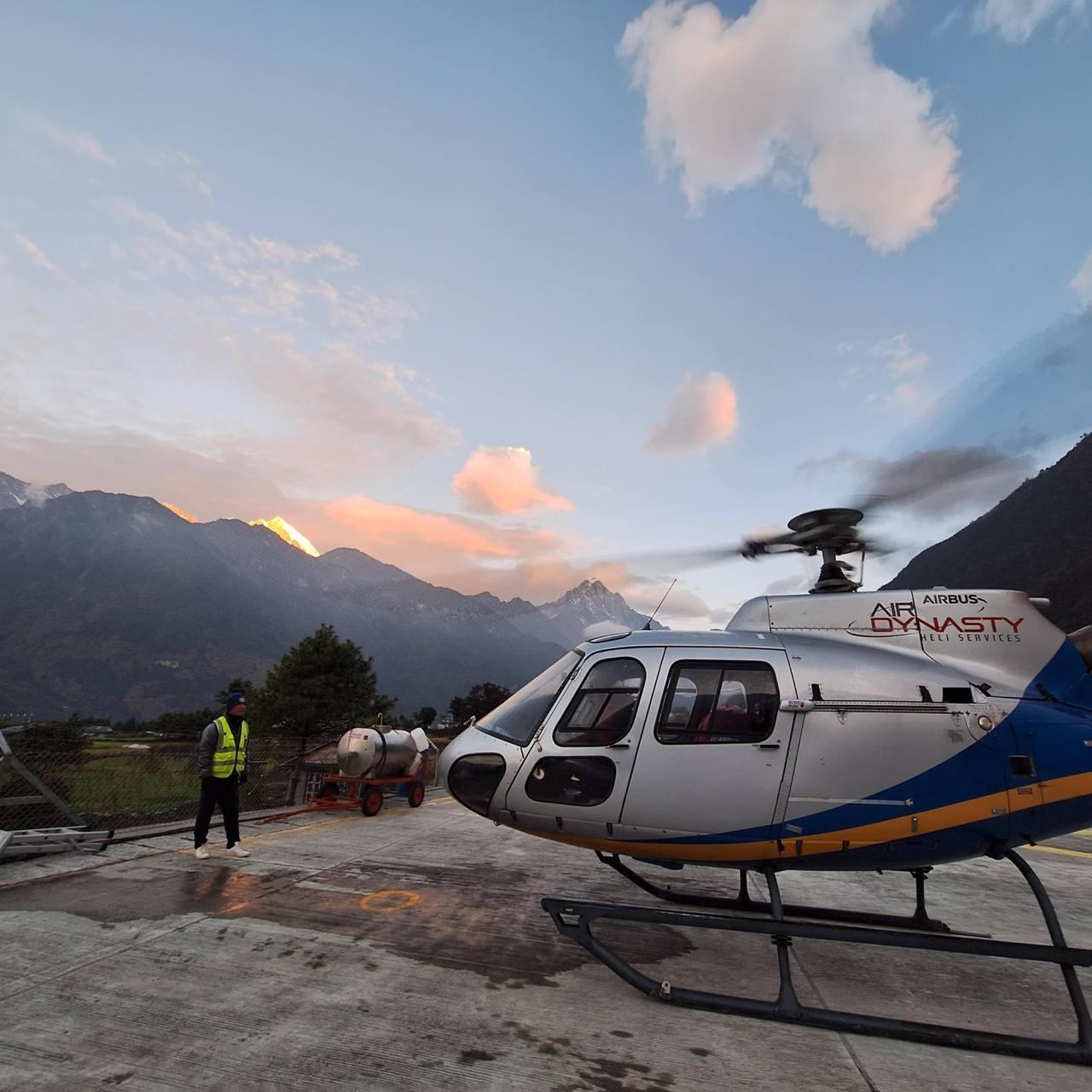
Travel during August needs extra planning because heavy rain can disrupt roads and flights. Landslides may block highways between Kathmandu, Pokhara, Chitwan, and eastern Nepal, especially in steep hill areas where prolonged rain weakens the slopes. Helicopter flights still operate in August when conditions are safe, so most departures are scheduled for early morning, when skies are usually clearer, winds are lighter, and visibility is better.
September marks Nepal’s transition from the summer monsoon into the autumn travel season. Early in the month, occasional rain may still occur, but conditions usually improve as the weeks go on. Clearer skies, lower humidity, and better mountain visibility make September an excellent month for trekking, helicopter tours, climbing expeditions, and sightseeing across Nepal.
Temperatures remain pleasant throughout September as the monsoon weakens. Kathmandu and Pokhara continue to have comfortable daytime weather, while evenings turn cooler than in August. In the Himalayan regions, early mornings feel fresher, especially above 3,000 meters, so warm clothing becomes increasingly important for trekkers and climbers. Mild daytime conditions and cooler mornings make outdoor activities more comfortable without the intense heat or humidity of peak monsoon.
September marks the start of Nepal’s monsoon season ending. Rain falls less often, especially in the second half of the month, and dry spells become more common across much of the country. As rainfall decreases, humidity also drops, making travel more comfortable in cities, national parks, and mountain areas. Brief afternoon showers can still happen, but they are usually lighter and less widespread than in August.
September offers much clearer mountain views. Clear skies are more common, especially in the early morning, so travelers can enjoy the Himalayas more easily. As the clouds thin, peaks like Everest, Annapurna, Dhaulagiri, and Langtang are seen more often, creating good conditions for sunrise photography, scenic flights, and panoramic views.
August and September are two different parts of Nepal's monsoon season. August is usually the wettest month, with heavy rain, high humidity, and lots of cloud cover. September is drier as the monsoon starts to withdraw, with less rain and more stable conditions, especially in the second half of the month. According to Nepal's Department of Hydrology and Meteorology (DHM), the southwest monsoon shapes both months, with warm temperatures in the lowlands and moderate conditions in the hills that gradually cool toward the end of September.
Temperature changes between the two months are usually small, but September is more comfortable. August stays warm across the Terai, Kathmandu Valley, and Pokhara, and high humidity makes it feel hotter than the actual temperature. As the monsoon weakens in September, humidity drops and mornings and evenings become cooler, especially in the Himalayan regions, where higher elevations have crisp early mornings. Winds are usually light to moderate in both months, although afternoon thunderstorms and mountain valleys can sometimes bring stronger gusts.
These weather changes affect travel across Nepal. Heavy rain in August can make trekking trails muddy, cause landslides on mountain roads, and lead to delays for domestic flights and helicopter tours. By September, better visibility, lower humidity, and less rain create better conditions for trekking, mountain photography, scenic flights, and other outdoor activities. Travelers planning Himalayan trips should still check daily forecasts, as local storms and rapidly changing mountain weather can occur in both months.
August is warm, humid, and frequently interrupted by afternoon and evening showers, while September gradually becomes drier with more sunshine and cooler mornings. The second half of September usually offers better conditions for sightseeing, outdoor activities, and domestic flights.
August remains one of the wettest months of the year, with high humidity, regular rainfall, and morning mist around Phewa Lake and the Annapurna foothills. By September, rainfall begins to ease, visibility improves, and the surrounding mountains appear more frequently, especially during early mornings.
August is hot and humid, with daytime temperatures often reaching 30–34°C and frequent thunderstorms that keep the national park lush and green. September remains warm but feels more comfortable as humidity gradually decreases and dry periods become more common.
Similar to Chitwan, August brings hot temperatures, high humidity, and regular monsoon showers across the Terai. September sees a gradual reduction in rainfall, creating better conditions for visiting temples and archaeological sites.
Located in Nepal's Himalayan rain-shadow, Mustang receives far less rainfall than most of the country during August. September continues to offer dry weather, excellent visibility, and stable conditions, making it one of the best regions for trekking and helicopter tours during the monsoon transition.
August weather remains highly unpredictable, with low clouds, rain, and changing valley winds frequently affecting flight schedules. Conditions generally improve in September, although early morning departures remain the most reliable option before clouds begin developing later in the day.
August is cool and often cloudy during the afternoon, with occasional rainfall and mist reducing mountain views. September brings clearer skies, lower humidity, and longer periods of visibility, making it a more enjoyable month for trekking and photography.
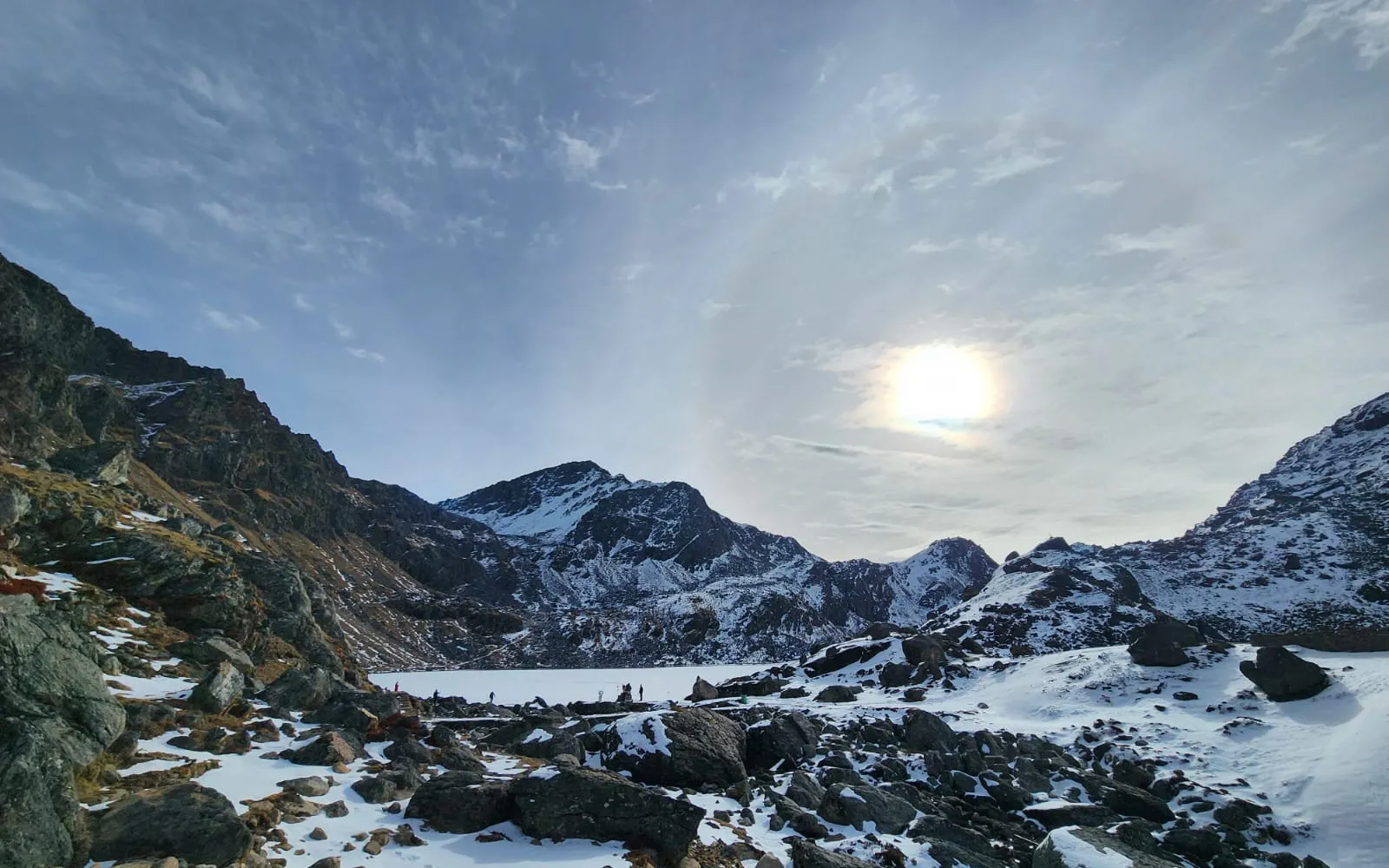
August usually has cloudy afternoons, brief mountain views in the morning, and occasional rain or snowfall at higher elevations. In September, the weather becomes clearer, giving more reliable views of Everest and nearby peaks as the monsoon retreats.
Lower-elevation trails such as Ghandruk and Ghorepani are wet and muddy in August, while Upper Mustang stays relatively dry because of its rain-shadow location. In September, trail conditions improve across the Annapurna region, skies become clearer, and mountain views become more reliable for trekkers and helicopter travelers.
Although August and September are part of Nepal's monsoon season, both can still be good times to travel if you choose the right places. August has lush green scenery and fewer crowds, while September brings clearer skies and better mountain views, making both months worthwhile for different travelers.
Pokhara is one of Nepal's best places to visit in August and September. The monsoon turns the hills bright green, waterfalls are at their fullest, and Phewa Lake looks especially beautiful under cloudy skies. By late September, clearer weather often brings great views of the Annapurna and Machapuchare ranges, making it a good time for boating, sightseeing, and helicopter tours.
Upper Mustang is one of Nepal's best places to visit in these months because it lies in the Himalayan rain-shadow and gets much less rain than most of the country. This lets visitors see its desert-like scenery, ancient monasteries, cave settlements, and the walled city of Lo Manthang with fewer weather disruptions. August and early September are also good months for trekking and scenic helicopter flights here.
Chitwan National Park is green and full of wildlife during the monsoon, with forests and wetlands supporting many animals. In August, occasional rain is common, but visitors can still enjoy jeep safaris, canoe rides, birdwatching, and Tharu cultural experiences. In September, lower humidity and more stable weather make outdoor activities more comfortable.
Kathmandu Valley is a good place to visit in August and September for travelers interested in culture, history, and architecture. Between rain showers, visitors can see UNESCO World Heritage Sites such as Kathmandu Durbar Square, Boudhanath Stupa, Swayambhunath, and Patan Durbar Square. As September goes on, clearer skies and cooler temperatures make walking tours and short hikes around the valley more pleasant.
Langtang Valley becomes more appealing in the second half of September as rainfall drops and mountain views improve. Its alpine forests, glacial rivers, traditional Tamang villages, and Himalayan scenery make it a great choice for travelers looking for a quieter alternative to Nepal's busier trekking areas. The fresh post-monsoon landscape also creates good conditions for photography and nature walks.
Check out Nepal Weather in July and August 2026.
Temperatures across Nepal in August and September vary a lot by altitude. The Terai stays hot and humid in both months, the Kathmandu Valley is warm but comfortable, and the Himalayan regions are much cooler and become more pleasant as September goes on.
| Location | August | September |
| Kathmandu Valley | Daytime temperatures typically range between 27–29°C, with humid conditions and frequent afternoon showers. Mornings are relatively pleasant, while evenings remain warm because of high humidity. | Daytime temperatures average 26–28°C as humidity gradually decreases. Mornings and evenings become cooler and more comfortable, especially during the second half of the month. |
| Pokhara | One of Nepal's rainiest cities during August, with temperatures around 28–30°C and very high humidity. Frequent rainfall and morning mist are common throughout the month. | Temperatures remain warm at 27–29°C, but rainfall decreases steadily. Clearer skies become more frequent, particularly toward late September, improving mountain visibility. |
| Chitwan & Terai | Hot and humid with daytime temperatures generally between 30–34°C. Heavy monsoon rainfall keeps forests lush, although afternoon thunderstorms remain common. | Warm conditions continue, usually 29–33°C, but humidity begins to decline. Reduced rainfall improves conditions for jungle activities and wildlife viewing later in the month. |
| Everest Region | Cool temperatures ranging from 10–18°C during the day at lower trekking elevations, with much colder mornings and nights at higher altitudes. Cloud cover often limits sunshine during the afternoon. | Similar daytime temperatures, but mornings become noticeably cooler as autumn approaches. Clearer skies provide more sunshine and improved visibility of Everest and surrounding peaks. |
| Annapurna Region | Lower elevations remain mild at 18–25°C, while higher trekking areas stay much cooler. Regular monsoon showers affect popular trails such as Annapurna Base Camp. | Temperatures remain comfortable, with cooler mornings and drier afternoons. Improved weather makes trekking and helicopter sightseeing increasingly enjoyable. |
| Langtang Region | Daytime temperatures generally range between 15–22°C, accompanied by frequent cloud cover and occasional rainfall. Humidity remains high at lower elevations. | Cooler mornings and reduced rainfall create more comfortable trekking conditions. Mountain views become clearer as cloud cover gradually decreases. |
| Mustang & Dolpo | Daytime temperatures usually range between 18–26°C. Because these regions lie within the Himalayan rain shadow, they remain much drier than the rest of Nepal despite the monsoon season. | Pleasant temperatures continue with dry weather and excellent visibility. September is one of the best months to explore Mustang and Dolpo, thanks to stable conditions and clear Himalayan landscapes. |
Between the helicopter tour vs trekking, the best option depends on when you travel and what kind of trip you want. In August, helicopter tours are usually the more reliable choice for travelers with limited time, since flights are often scheduled in early morning weather windows when visibility is best.
Even though flights still depend on the weather, a helicopter can reach places like Everest, Annapurna, Langtang, and Muktinath in a single day without the need to hike on muddy, leech-prone trails. Trekking is still possible in August, especially in rain-shadow areas like Upper Mustang and Dolpo, but frequent rain, slippery paths, and cloud-covered mountains can make it harder.
By September, both helicopter tours and trekking become better options as the monsoon retreats and the weather settles. Trekking routes such as Everest Base Camp, Annapurna Base Camp, Langtang Valley, and Mardi Himal become drier, while clearer skies give more reliable Himalayan views.
Helicopter tours also become more dependable, with better visibility and fewer weather-related delays. If you are visiting in early August or have limited time, a helicopter tour is usually the better choice. If you are traveling from mid to late September, either trekking or a helicopter tour can work well, depending on your fitness, time, and travel preferences.
This overview is based on the Department of Hydrology and Meteorology's (DHM) National Seasonal Outlook for Monsoon Season 2026, along with its daily bulletins, and is checked against guidance from the Meteorological Forecasting Division and the Civil Aviation Authority of Nepal. Regional and city weather patterns reflect Nepal's usual climate conditions, along with the 2026 seasonal deviation of below-average rainfall and above-average temperature. The page is updated as new DHM bulletins and monsoon data are released. You should always confirm same-day conditions directly with DHM before travel and with Aero Connect Nepal before any flight departure.
Yes, August is a good month if you enjoy green landscapes and fewer crowds. Be prepared for regular rain and occasional travel delays caused by the monsoon.
Yes, September is generally better because rainfall gradually decreases and trails begin to dry. Mountain views also become clearer, especially during the second half of the month.
Not necessarily. Many places experience rain in the afternoon or evening, while mornings are often dry and suitable for sightseeing.
Yes, especially from mid to late September when skies become much clearer. Early morning usually offers the best visibility.
Yes, helicopter tours operate during the monsoon when weather conditions are safe for flying. Most flights are scheduled early in the morning for better visibility.
Upper Mustang and parts of Dolpo receive the least rainfall because they lie in Nepal's Himalayan rain shadow. These areas remain much drier than most other regions during the monsoon.
Yes, Chitwan is beautiful in August with lush forests and active wildlife. Afternoon rain is common, so morning safaris are usually the better choice.
Pack lightweight clothing, a waterproof jacket, comfortable walking shoes, and a small umbrella. If you're visiting the mountains, bring warm layers for cooler mornings and evenings.
Humidity is high across most of Nepal during August. Cities like Kathmandu, Pokhara, and Chitwan often feel warmer because of the moisture in the air.
The monsoon usually begins to withdraw during September. By late September and early October, most of Nepal experiences much drier and more stable weather.
Yes, September marks the start of the busy trekking season. Booking early gives you better choices for guides, accommodation, and permits.
Everest Base Camp and Annapurna Base Camp helicopter tours are among the most popular choices in September. Clearer skies make mountain views more reliable during this time.
Yes, flights may be delayed or cancelled if weather conditions are unsafe. Passenger safety always comes before the flight schedule.
Yes, many operators offer private helicopter charters with flexible itineraries. The final route depends on weather conditions and flight permissions.
Yes, travel insurance is strongly recommended for trekking and helicopter tours. It can help cover unexpected medical expenses, trip interruptions, and emergency evacuations.
September generally offers better mountain photography because skies become clearer after the monsoon. August is better for photographing green landscapes, waterfalls, and dramatic clouds.
Yes, many luxury lodges remain open during August. Some properties may have seasonal offers because visitor numbers are lower than in autumn.
Yes, many travelers combine a short trek with a helicopter return or scenic flight. This saves time while allowing you to experience both hiking and aerial views you can know about trek vs helicopter tour here.
Prices vary depending on the destination, group size, and whether you choose a shared or private charter. Ask us for the latest pricing before booking.
Choose a licensed Nepal-based travel agency that clearly explains its weather postponement and rescheduling policy. Experienced operators usually offer flexible options when flights are affected by poor weather.