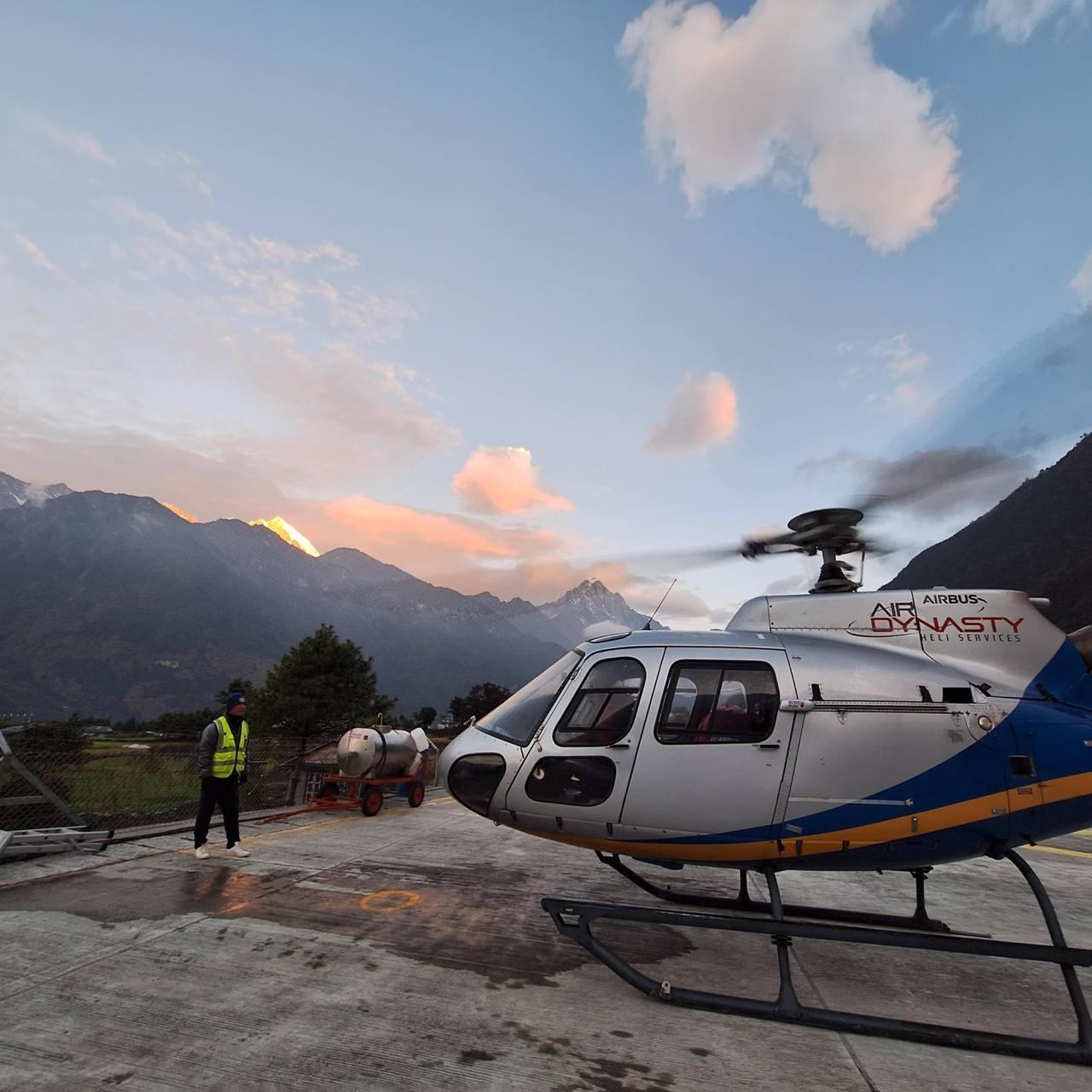
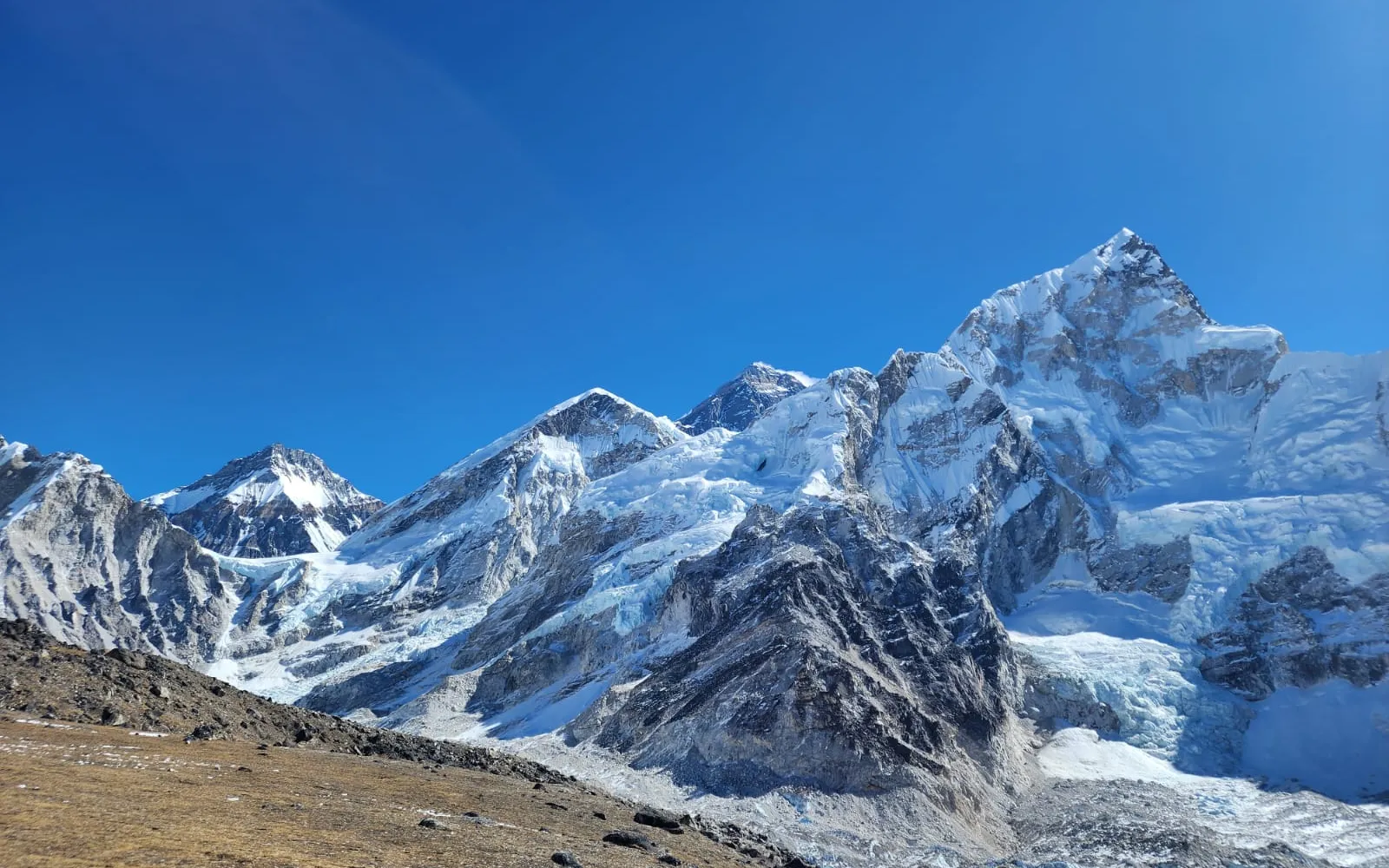
Navigating the skies of Nepal requires more than just a map; it demands a keen eye on the Kathmandu weather tomorrow. For travelers and adventure seekers, the window of clear blue skies is often narrow, making real-time meteorological data the difference between a grounded afternoon and a breathtaking flight over the Himalayas. As the primary gateway for aviation, Kathmandu's conditions dictate the flow of both commercial and private traffic across the country. Whether you are monitoring the weather tomorrow near Kathmandu for a local city tour or checking the broader Nepal weather this week for a long-haul expedition, staying ahead of atmospheric changes is essential for safety and logistics. At Aero Connect Nepal, we specialize in turning these weather windows into unforgettable experiences with our premier helicopter services.
Planning a trek through the Himalayas or a quick city break requires precise timing, especially given Nepal's diverse topography. Whether you are searching for the kathmandu weather tomorrow or checking the weather forecast for a flight to the mountains by July, staying informed is the key to a successful journey. Current conditions across the country range from sub-tropical in the Terai to alpine in the high peaks, making the weather in Nepal for July a critical factor for both locals and international travelers.
The capital city typically experiences a temperate climate, but localized systems can cause rapid changes. For those searching for weather tomorrow near Kathmandu or specifically weather tomorrow lalitpur, the forecast currently suggests a mix of clear skies and occasional evening showers. Travelers should expect temperatures to range between 12°C (low) and 25°C (high) this week. For the most accurate, real-time data, the Department of Hydrology and Meteorology (DHM) provides official updates that are essential for planning your day-to-day activities.
Pokhara remains a major hub for adventure seekers. If you are looking for the weather tomorrow Pokhara or tomorrow weather Pokhara, be prepared for higher humidity and more frequent rainfall than in Kathmandu. The weather tomorrow at my location in the Gandaki province often includes early morning mist, which is vital to note for those planning early sunrise views at Sarangkot. Further west, the weather in Bhimdatta tomorrow and across the border for Pithoragarh weather tomorrow shows stable, warmer conditions, though monsoon residuals can still cause sudden thunderstorms. Checking the Nepal Meteorological Forecasting Division is highly recommended for these regional nuances.
Weather is the primary factor affecting domestic aviation in Nepal. Flights to Lukla, Jomsom, and Phaplu are frequently delayed or canceled due to low visibility and high wind speeds. This makes the weather forecast tomorrow even more critical for those scheduled on mountain flights. Unpredictable patterns can disrupt even the best-laid plans, which is why working with experienced operators like Aero Connect Nepal is beneficial. They provide expert guidance on helicopter tours and private charters, ensuring that safety is prioritized when the nepal weather next week looks uncertain.
For trekkers, the weather in kathmandu tomorrow is just the starting point. Higher altitudes require monitoring the UV index and potential landslide risks during the rainy season. Wind speeds at higher elevations can exceed 40 km/h, even when city conditions seem calm. Always carry waterproof gear and layers, regardless of the tomorrow weather kathmandu report. For global comparisons and long-range trends, sources like AccuWeather offer reliable supplementary data to help you visualize the nepal weather this week across different altitudes.
Always verify your flight status and road conditions before departure. In the mountains, weather changes in minutes, not hours. If your search for weather tomorrow at my location indicates heavy rain, consider postponing high-altitude travel. Safety should always come first, and utilizing local expertise is the best way to navigate Nepal's complex climate.
The temperate climate of the valley often hides localized shifts. When the weather in Kathmandu tomorrow shows high visibility and low wind speeds, it is the ideal moment to secure a seat on a shared helicopter tour. Shared charters offer an affordable yet luxurious way to see the Everest or Langtang ranges without the commitment of a full private rental. For those in neighboring areas, checking the weather tomorrow Lalitpur is equally important, as valley fog can impact takeoff times even when the city center appears clear. Official data from the Department of Hydrology and Meteorology (DHM) remains the gold standard for these daily preparations.
Pokhara serves as the gateway to the Annapurnas, but its weather is notoriously fickle. If the weather tomorrow Pokhara indicates clearing skies after morning mist, our fleet is ready for immediate deployment. For travelers moving toward the western borders, monitoring the weather in Bhimdatta tomorrow and the Pithoragarh weather tomorrow ensures that cross-border transitions are smooth. High-altitude aviation requires specific visibility minimums, often monitored by the Civil Aviation Authority of Nepal, which ensures that every private charter we operate meets the highest safety benchmarks regardless of the nepal weather next week outlook.
When the weather forecast for July predicts a rare 'bluebird' day, speed is of the essence. While trekking can take weeks, a private helicopter charter allows you to bypass difficult terrain and unpredictable trail conditions. Our private services offer total flexibility, allowing you to choose your departure time based on the most favorable weather tomorrow at my location. Whether it is an urgent rescue, a luxury breakfast at Everest, or a strategic business trip, we provide the convenience that commercial airlines cannot match during volatile weather periods.
Kathmandu usually sees clear mornings with increasing clouds by mid-afternoon, especially during the pre-monsoon and monsoon seasons.
Helicopters only fly under Visual Flight Rules (VFR). If rain significantly reduces visibility, flights will be rescheduled for safety.
Contact Aero Connect Nepal directly. We offer both private and shared options that can often be confirmed within hours of a favorable forecast.
Yes, aviation is interconnected. Poor weather in Pokhara can delay departures from Kathmandu if the destination is fog-bound.
Most reputable agencies, including ours, offer a full refund or a free reschedule if the flight is canceled due to adverse weather.
The Meteorological Forecasting Division (MFD) provides specific updates for aviation sectors across the country.
While close, Lalitpur can occasionally experience denser morning fog due to its proximity to specific river corridors.
Typically, sustained winds above 30-40 knots may cause flight suspensions depending on the altitude and terrain.
Bhimdatta is a key indicator for weather systems moving in from the west, which eventually reach central Nepal.
Yes, as long as the clouds are low-level. Often, the mountains remain clear above the valley cloud layer.
Temperatures drop significantly with altitude; expect sub-zero temperatures at the mountains even on warm valley days.
Yes, Pithoragarh's weather often mirrors conditions in the Far-Western region of Nepal.
Yes, we organize shared helicopter groups to destinations like Everest Base Camp to make luxury travel accessible.
Dress in layers. High altitudes are cold and windy for the month of July, even if the Kathmandu weather is mild.
Check 24 hours before for general planning, but confirm 3 hours before takeoff for real-time aviation updates.
An Everest helicopter tour in winter delivers the clearest, most consistent mountain visibility of any season in Nepal, though it comes with real operational trade offs that every traveler should understand before booking. Nepal's winter season runs from early December through late February, a period when atmospheric moisture across the Khumbu region drops to its annual low. Tribhuvan International Airport in Kathmandu also experiences frequent morning radiation fog during December and January, a pattern documented in aviation assessments of the airport's winter operating conditions. This combination of dry high altitude air paired with valley level fog defines what an Everest helicopter tour in winter actually looks like on the ground: dazzling clarity above Lukla, and a genuine chance of a delayed departure below it.
Discover the factors that influence helicopter charter prices in Nepal, from flight duration and destination to helicopter type and seasonal demand. This guide explains typical costs, what is included in the price, and practical tips to help you plan your charter with confidence.