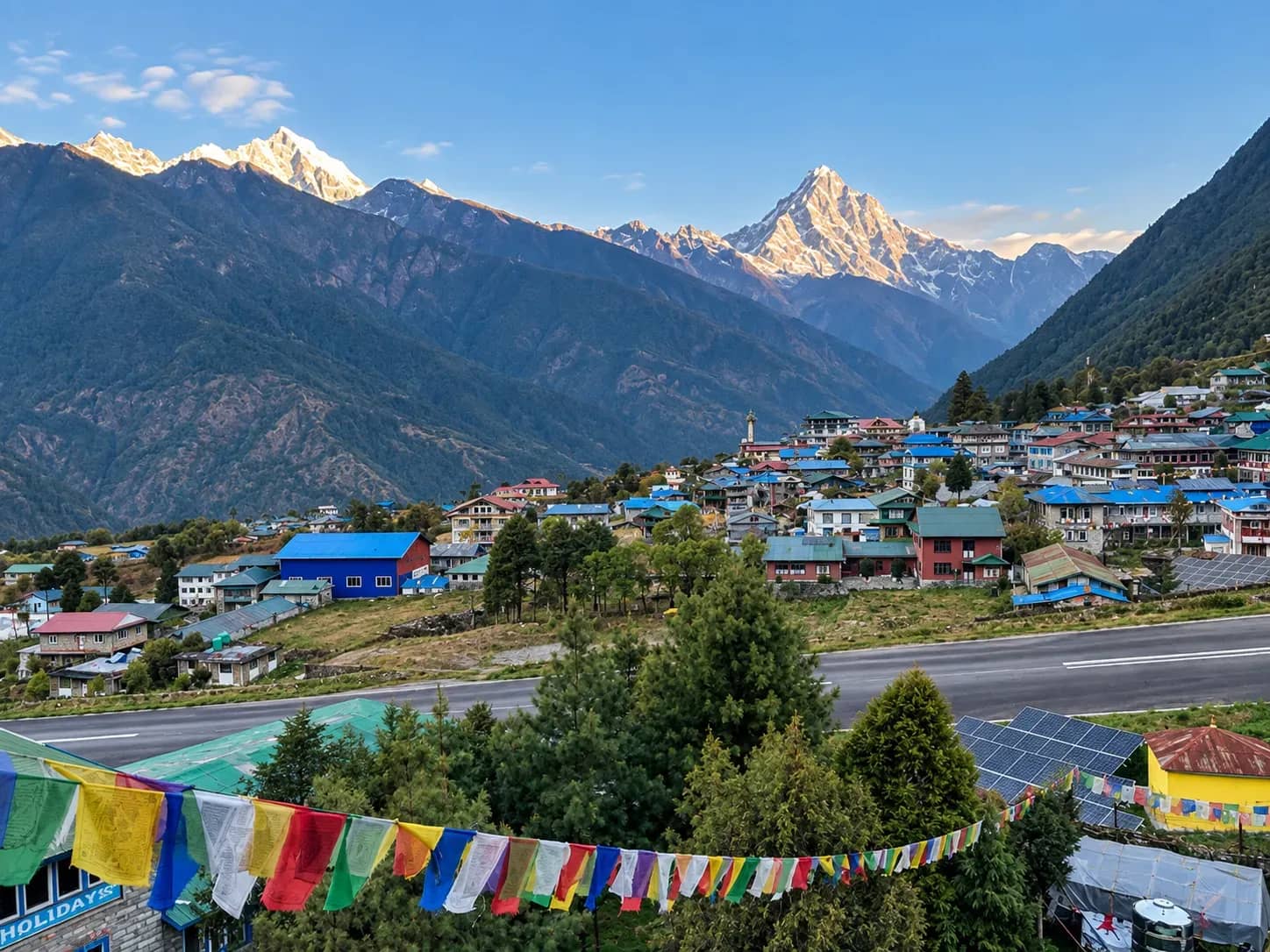
Gorak Shep to Lukla Helicopter Flight
Shared seatfrom $650/person
Overview
The Gorak Shep to Lukla helicopter flight costs $1,800 for 2 pax and $2,400 for a 4-person private charter. Similarly $650 per person for a shared seat, offering a convenient way to return from Gorak Shep back to Lukla.
The Gorak Shep to Lukla Helicopter Tour Package is an easy way to travel from the Everest region to Lukla without having to walk back along the trekking route. It gives you a view of the high Himalayas from the air and saves a lot of time, making it a good option for trekkers who want to continue from Lukla or catch a scheduled flight there.
The helicopter leaves Gorak Shep when weather, visibility, aircraft availability, and operating conditions allow. Because Gorak Shep is at a very high elevation, baggage and passenger arrangements may depend on aircraft performance and other limitations, so travelers should confirm the flight details and conditions before departure.
Similar Flights
Gorak Shep to Kathmandu Helicopter Flight
Short Itinerary Summary
The Gorak Shep to Lukla Helicopter Tour is arranged as a same-day transfer with helicopter shuttle operations based on passenger numbers, weight, and aircraft performance. Since Gorak Shep is at high altitude, the helicopter may use Pheriche, Dingboche, or potentially Lobuche as a shuttle point depending on the operational requirements of the flight.
Best Weather Conditions for Gorak Shep to Lukla Helicopter Tour
Clear, stable weather is best for a Gorak Shep to Lukla helicopter flight. Good visibility helps the pilot see the mountain route, while light cloud cover, manageable winds, and dry conditions usually make the trip easier to operate. Morning hours often offer steadier visibility in the Everest region, although the exact departure time always depends on the day's conditions. In comparison to the Everest Helicopter Tour in Winter, many experts prefer Spring, and Autumn, due to weather conditions.
Because Gorak Shep is at a very high elevation, the weather can change quickly and affect helicopter performance and route safety. Strong winds, low clouds, poor visibility, heavy snowfall, or sudden weather changes can delay or stop the flight, even if conditions seem acceptable at the departure point. The pilot and operator must assess the full route from Gorak Shep to Lukla, not just conditions at one location.
Travelers should keep some flexibility in their itinerary instead of assuming a specific departure time is guaranteed. Before departure, they should check the latest weather information with the helicopter operator or trekking agency, especially during the monsoon and winter seasons. If conditions are not suitable, it is better to postpone the flight until it is safe rather than put the schedule ahead of flight safety.
Views During Gorak Shep to Lukla Helicopter Tour
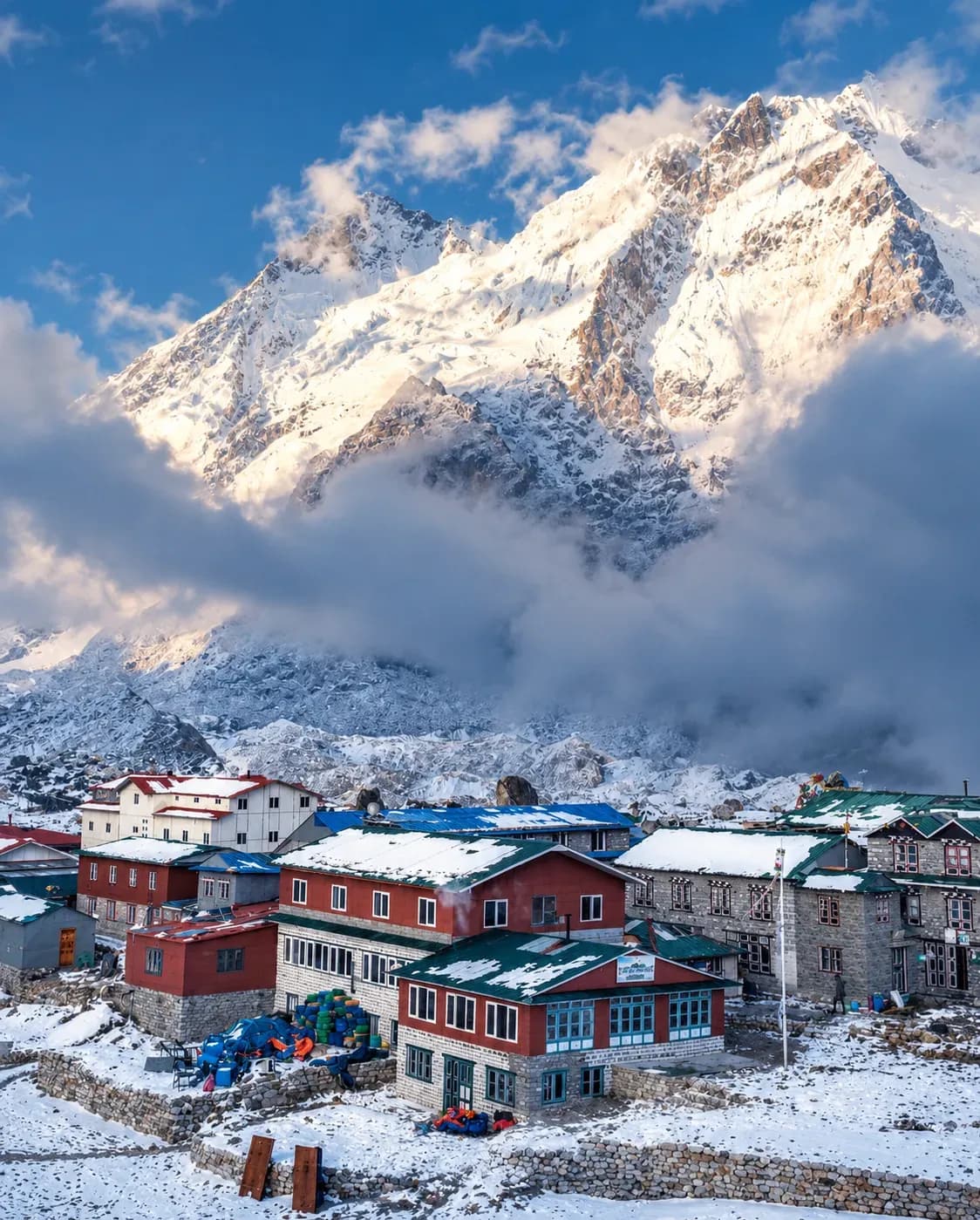
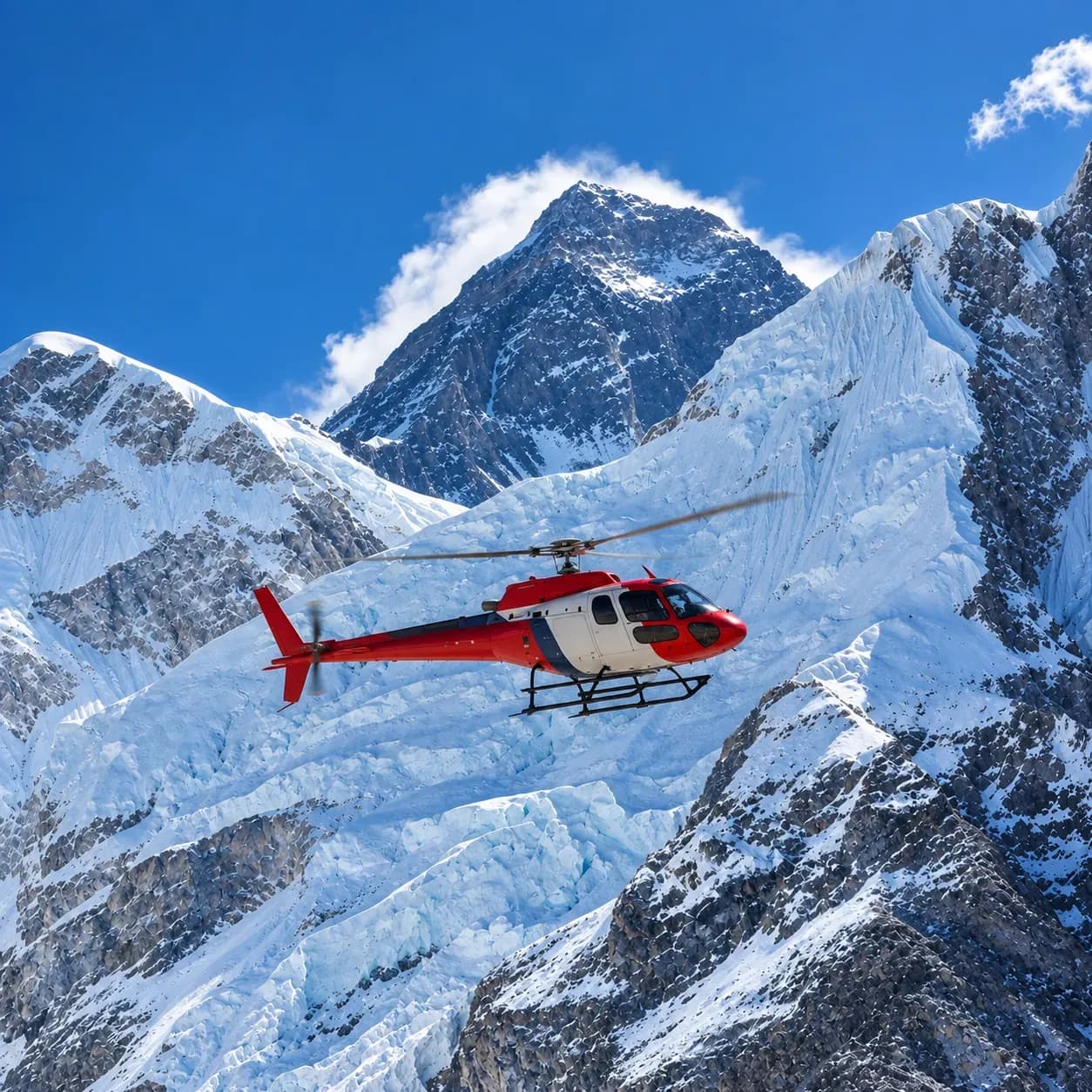
The Gorak Shep to Lukla helicopter flight gives passengers a different view of the Everest region as the aircraft travels from the high mountains around Gorak Shep down toward the lower valleys and Lukla. If weather and visibility are good, passengers may see Himalayan peaks, deep valleys, and mountain villages from above.
1. Everest Region and Surrounding Himalayan Peaks
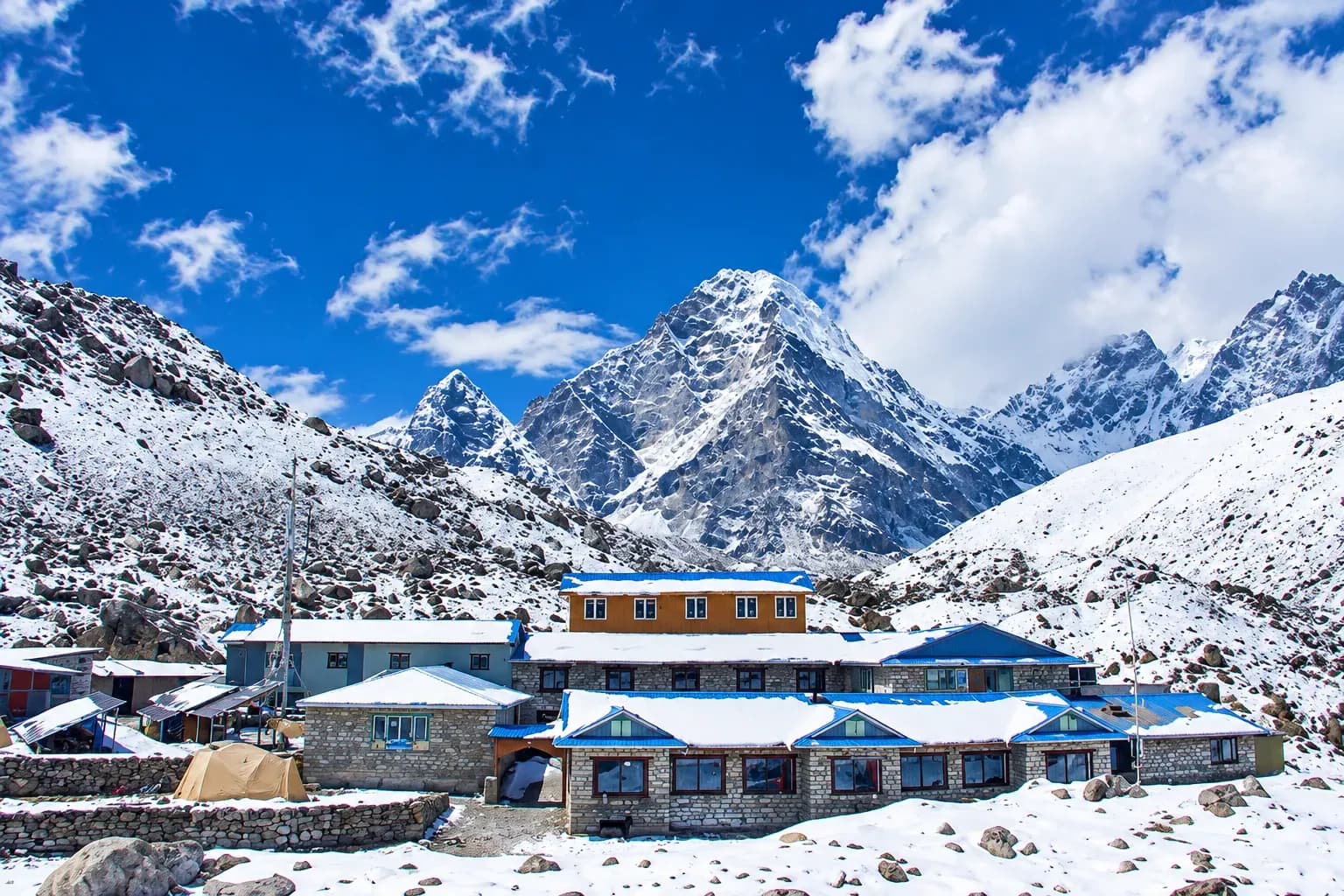
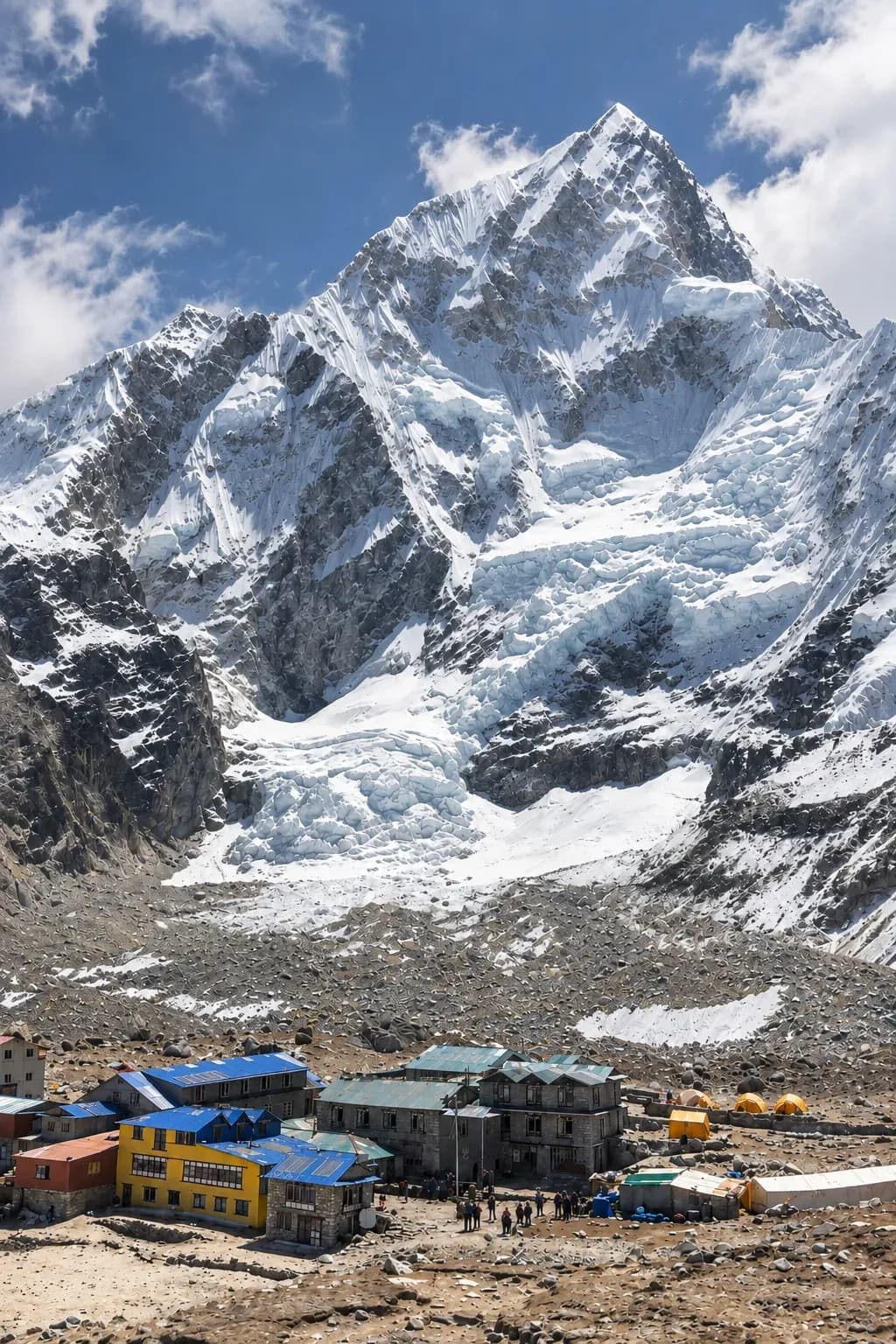
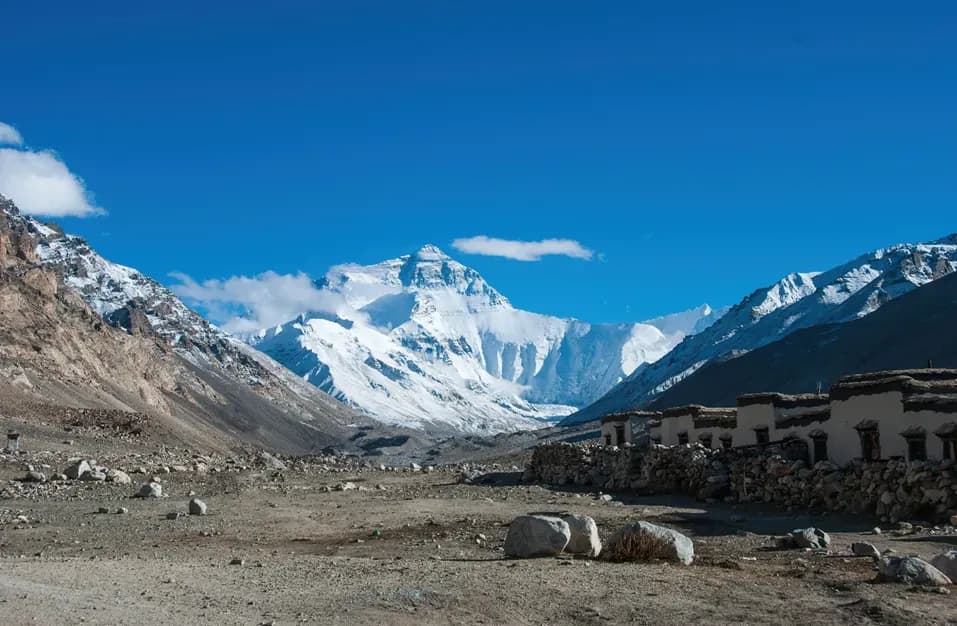
The flight starts near Gorak Shep and offers views of the rugged high-altitude terrain around the Everest region. On clear days, passengers may see Himalayan peaks above the valleys, with snow-covered slopes and glaciers in the background.
2. Khumbu Valley and Mountain Landscapes
As the helicopter moves toward Lukla, the scenery changes from the stark landscape near Gorak Shep to the deeper valleys and slopes of the Khumbu region. From the air, trekkers can see the scale of the valley, winding trails, mountain ridges, and changing vegetation that are hard to notice from the trail.
3. Sherpa Villages and Lukla
Approaching Lukla, the flight gives an aerial view of the mountain settlements and landscape of the lower Khumbu region. Depending on the route and visibility, passengers may see villages, terraced slopes, hills, and Lukla before landing at the mountain airport.
Shuttle Point and Flight Arrangement for Gorak Shep to Lukla Helicopter Tour
The Lukla–Gorak Shep–Lukla helicopter arrangement depends on the number of passengers and the aircraft’s operating limits. A single shuttle can usually carry 2 passengers, while 4 passengers generally require 2 shuttles and 5 passengers require 3 shuttles. The shuttle may operate through Pheriche or Dingboche, and Lobuche may also be used depending on passenger and baggage weight and the helicopter’s high-altitude performance.
The final shuttle point and flight arrangement depend on the conditions on the day of operation. Passenger weight, baggage, weather, visibility, and aircraft performance can all affect the transfer, so travelers should confirm the final arrangement with the operator before departure. This lets the flight team manage the high-altitude sector based on the actual operating conditions rather than using one fixed arrangement for every group.
For shared arrangements, the cost is $ 650 per person for one passenger. Private arrangements are priced at $ 1,800 for 2 passengers, USD 2,400 for 3-4 passengers, and $ 2,800 for 5 passengers. These prices should be confirmed before the flight, as the final operation is subject to weather, aircraft performance, passenger and baggage weight, and other operating requirements.
Continue Reading
Everest Helicopter Overfly Tour
Highlights
- Travel from Gorak Shep to Lukla by helicopter instead of trekking back for several days.
- Enjoy views of the Everest region, valleys, and surrounding mountains during the flight.
- Save time between the high-altitude trekking area and Lukla.
- Arrive in Lukla for onward flights, transport, or the next part of your Nepal trip.
- Flights depend on weather, visibility, aircraft performance, and safe operating conditions.
Trip Route
Lukla-Gorak Shep-Lukla
Important Note
Why book a Gorak Shep to Lukla shared helicopter flight with Aero Connect Nepal?
Aero Connect Nepal manages the helicopter booking process from passenger coordination and seat allocation to permits, hotel transfers, airport coordination, and communication with licensed helicopter operators. We work across the booking and operational chain, giving you one point of contact before departure and while your flight is being arranged.
Local Support
Our representatives are available in Kathmandu, Lukla, Namche, Tengboche, Dingboche, and other Sherpa settlements, giving you local support as your journey moves into the Khumbu. Within two months of its inception, Aero Connect Nepal had already served 3,000+ customers and successfully facilitated 200+ helicopter flights across Nepal.
Our Role
Aero Connect Nepal is not simply a minor company that passes your booking request from one operator to another, but a dominant operational hub. We coordinate passenger information, weight checks, seat allocation, permits, transfers, weather communication, and schedule changes with the licensed helicopter operators.
Seat Access
Helicopter operators can operate the aircraft, but shared flights also depend on having suitable passenger demand and available aircraft capacity. Aero Connect connects passenger demand with available helicopter capacity, which is particularly important when passengers need a confirmed seat rather than a private charter.
Pricing
Aero Connect Nepal provides the applicable passenger or charter price before you confirm your booking. Pricing can vary according to route, aircraft availability, passenger numbers, season, payload requirements, and whether you choose a Shared Seat or Private Charter. Plan your tour at an optimal price range, mostly cheaper than any other operators.
Seat Security
For clear-weather operations, Aero Connect works to secure the booked seat according to the confirmed booking arrangement. This does not override aircraft capacity, weather restrictions or pilot decisions, and every flight remains subject to safe and legal dispatch.
Weight Checks
Everest helicopter flights have strict payload requirements, particularly at higher altitudes. Passenger and baggage weights are checked before departure, and the aircraft may require a shuttle movement when the applicable payload limit is reached.
Weather Support
Weather can change a helicopter schedule with little notice. Aero Connect communicates operational updates, works with the licensed operator on rescheduling, and helps passengers understand what happens when the planned flight cannot operate.
Ground Network
Our Kathmandu team handles booking and pre-flight coordination, while representatives in Lukla, Namche, Tengboche, Dingboche, and other Sherpa settlements provide local support when your itinerary requires assistance on the ground.
Full Coordination
Aero Connect stays involved when a flight changes because of weather, payload, or operational restrictions. Instead of leaving passengers to coordinate separately with the operator, hotel, transfer provider, and local contacts, our team manages the booking-side logistics throughout the journey.
Clear Responsibility
Aero Connect Nepal does not present itself as the helicopter operator. The helicopter is operated by a licensed aviation company, while Aero Connect Nepal handles the customer booking, passenger coordination, and related logistics.
Read moreRead less
Trip Type
Flight
Difficulty Level
Easy
Max Altitude
5,164 m / 16,942 ft
Best Season
Autumn and Spring
Estimated Time
1 hour
Departure
Lukla
Itinerary
- 6:00 to 6:15 AM, Gorak Shep, 5,164 m: Prepare your baggage and gather at the designated helicopter pickup area for the transfer to Lukla.
- 6:15 to 6:30 AM: The flight team checks passenger and baggage weights, confirms weather and visibility, and reviews the available aircraft payload before departure.
- 6:30 to 7:00 AM, Gorak Shep to Pheriche or Dingboche: Begin the helicopter transfer toward Lukla, using an intermediate landing point if required by passenger weight and aircraft performance.
- 7:00 to 8:00 AM, Intermediate landing point: Passengers are transferred between helicopter sectors as required. Pheriche, Dingboche, or Lobuche may be used depending on the operating conditions and the pilot's assessment.
- Shuttle arrangement: For 2 passengers, the planned arrangement is 1 shuttle. For 4 passengers, 2 shuttles are planned. For 5 passengers, 3 shuttles are planned. The final arrangement depends on passenger and baggage weights, aircraft payload, weather, and operating approval.
- 8:00 to 8:30 AM, Khumbu region: Continue the flight toward Lukla, with aerial views of mountain slopes, deep valleys, and surrounding Himalayan peaks, subject to visibility and the approved flight route.
- 8:30 to 8:45 AM, Lukla, 2,860 m: Arrive at Tenzing-Hillary Airport and disembark with your baggage after the helicopter completes the required flight movements.
- 8:45 to 9:00 AM, Lukla, 2,860 m: Collect your belongings and coordinate your onward arrangements with your guide or travel representative.
- 9:00 to 9:15 AM: Proceed with your onward flight, trekking arrangements, or other scheduled transportation, subject to availability and local operating conditions.
Best time to travel
Good
Best
Practical Details
Flight distance and altitude
The helicopter flight from Gorak Shep to Lukla descends from the high-altitude Everest region to Lukla, covering a significant elevation difference in a relatively short time. Gorak Shep sits at approximately 5,164 m, while Lukla is at approximately 2,860 m. Actual flight routing and duration depend on weather, visibility, air traffic, and operational conditions. Shared Seat: The route and operating limits apply to all passengers. Private Charter: Your group travels together, but private booking does not change the aircraft's altitude or operating limitations.
Health and altitude considerations
Passengers should be fit for helicopter travel in a high-altitude mountain environment. Anyone experiencing severe altitude sickness symptoms, including confusion, difficulty breathing at rest, or loss of coordination, should inform the guide or flight coordinator immediately before boarding. Passengers with serious heart, lung, or other medical conditions should obtain medical advice before flying. Shared Seat: All passengers must meet the same health requirements. Private Charter: Your group can travel together, but private booking does not remove medical requirements.
Weight checks and high-altitude load limits
Passenger and baggage weights are checked before departure because helicopter performance is affected by altitude, temperature, fuel load, and weather. The confirmed passenger and baggage limits depend on the aircraft and operating conditions on the day. The reduced air density around Gorak Shep can restrict the payload available for departure. Shared Seat: Passenger allocation or baggage arrangements may need to be adjusted to meet the applicable load limit. Private Charter: The helicopter is reserved for your group, but the same aircraft performance and load limits apply.
Aircraft capacity
The number of passengers permitted on the Gorak Shep to Lukla flight depends on the aircraft, passenger weights, baggage, fuel requirements, weather, and high-altitude operating limits. The helicopter may not be able to carry its full standard passenger capacity when departing from Gorak Shep. Shared Seat: Passenger allocation follows the available operational capacity, and additional flight movements may be required if necessary. Private Charter: The helicopter is reserved exclusively for your group, but the maximum safe aircraft load cannot be exceeded.
Departure from Gorak Shep
The flight departs from the designated landing area near Gorak Shep, subject to local access, weather, and operating approval. Passengers should be ready at the confirmed pickup point and follow instructions from the guide or flight coordinator. The flight provides transport from the Everest region to Lukla, rather than a sightseeing landing experience. Shared Seat: Departure depends on passenger coordination and the availability of the scheduled shared flight. Private Charter: Your group has exclusive use of the booked helicopter, subject to aircraft availability and operational approval.
Weather and timing
Flights operate only when weather, visibility, wind, aircraft performance, and other operating conditions are suitable. Mountain weather can change quickly, and poor visibility may delay departure or prevent the flight from operating as scheduled. If weather prevents the flight, Aero Connect Nepal first attempts to reschedule it. If rescheduling is not possible, the amount paid to Aero Connect Nepal is refunded, subject to the stated payment-processing terms. Allow flexibility in your onward travel plans because delays can affect connections from Lukla. See Aero Connect Nepal's Weather Cancellation Policy.