logo

Post Dashain: October and November Weather Update

27 Oct 2026•4 minutes read

Share

Instagram Icon
Facebook Icon
Twitter Icon
Post Dashain: October and November Weather Update
The final week of October 2026 may bring renewed rain and cloud cover to parts of Nepal despite the official withdrawal of the monsoon. Westerly weather systems can still produce rainfall in the hills, thunderstorms in some areas, and snowfall in the higher Himalayas. For travelers planning helicopter tours to Everest Base Camp, Kala Patthar or Annapurna Base Camp, these changes may affect mountain visibility, landing conditions and departure schedules.
Sources: Nepal Department of Hydrology and Meteorology (DHM), including its weather bulletins and aviation forecasts
Forecast confidence: Seasonal patterns are reasonably established, but the timing, intensity and precise location of rainfall during 25–31 October require updated short-range forecasts.
Last updated: 23 October 2026
pexels-pritush-4116523_result.webp

What Changes After Dashain

1. The Return Rush: Buses, Flights and Roads

After Dashain Tika, around 21 October 2026, families return to Kathmandu and other cities, increasing demand for long-distance buses, domestic flights and highway transport. Routes to Pokhara and trekking gateways can become busy, while rain-related road disruptions and weather delays on Lukla flights may affect travel plans.

2. Prices, Availability and Businesses Reopening

Shops, offices and family-run businesses gradually resume normal operations after the festival. Hotels in Thamel and Pokhara's Lakeside, trekking guides and popular trail accommodation become busier as autumn visitors arrive. Book transport, accommodation and guides early to secure availability.

3. Why Peak Trekking Season Begins

Late October and November are among Nepal's most popular trekking months, with generally clearer mountain views and comfortable daytime conditions on many trails. Everest Base Camp, Annapurna Base Camp and Langtang attract more visitors. However, late-October rain, high-altitude snowfall and changing mountain weather can still disrupt trekking and helicopter flights.
For other season updates check our September & October Weather Blog,

October Weather in Nepal

Late October: Rain, Clear Skies and Changing Conditions

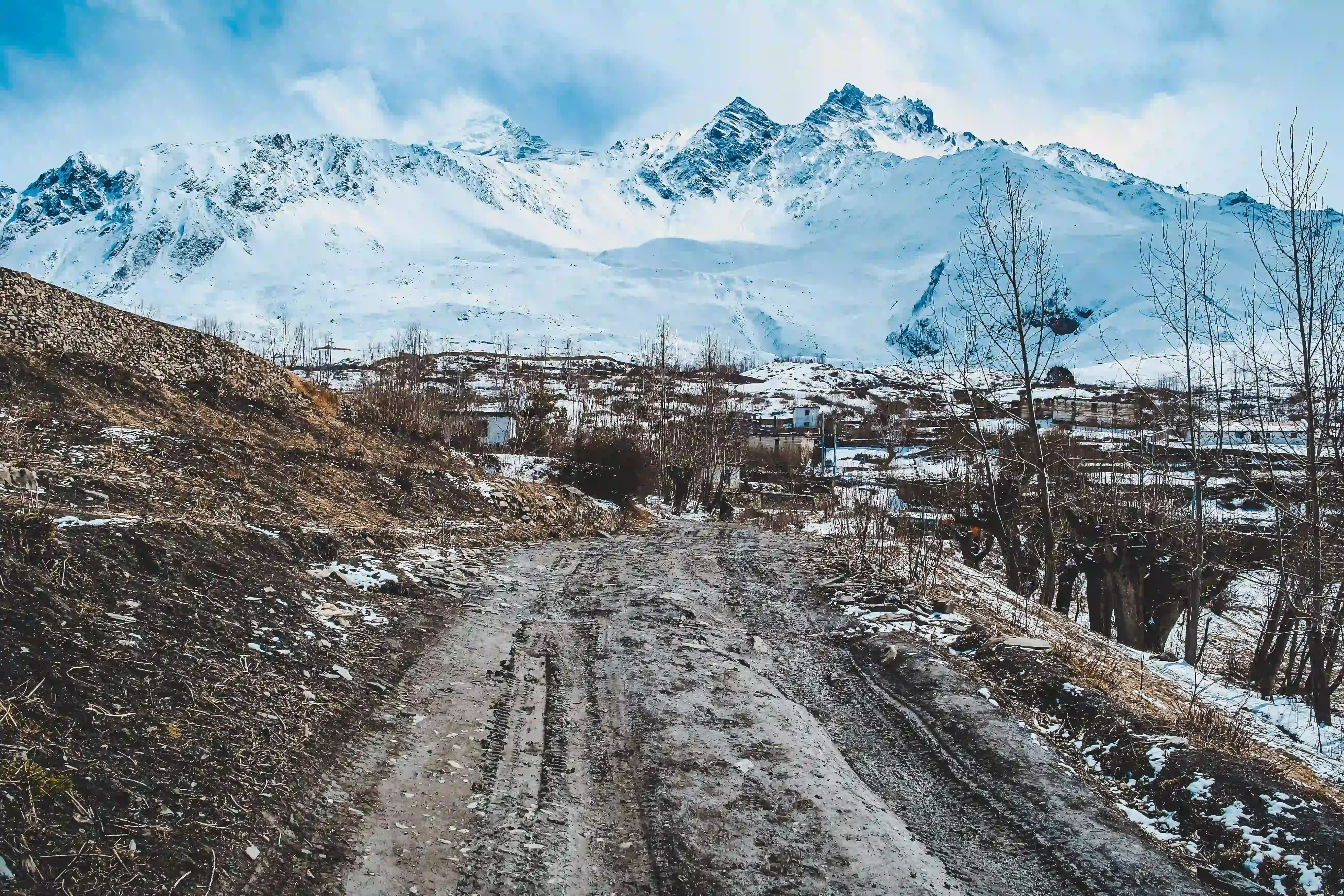
Nepal's monsoon officially withdrew on 14 October 2026, but this does not guarantee uninterrupted sunshine. Westerly weather systems can still bring rain to the hills and snowfall to higher Himalayan areas.
  • Trail and road conditions: Trails may remain muddy or slippery after rainfall, while landslide-prone highways can experience local disruption.
  • Mountain visibility: Clear periods often provide excellent Himalayan views, but late-October rain and low cloud can temporarily obscure peaks and affect helicopter departures.
  • Typical temperatures: Kathmandu 13–26°C, Pokhara 17–28°C, and Jomsom 6–18°C. These are approximate October climate ranges, not a forecast for the final week.

November Weather in Nepal

Early to Mid-November: Crisp Days and Cold Nights

November is generally one of Nepal's driest months, making it popular for trekking and mountain sightseeing. Kathmandu typically ranges from 7–23°C, Pokhara from 12–24°C, and Jomsom from 2–15°C. Temperatures fall substantially at higher elevations, especially overnight.

Late November: Colder Nights and Possible Snow

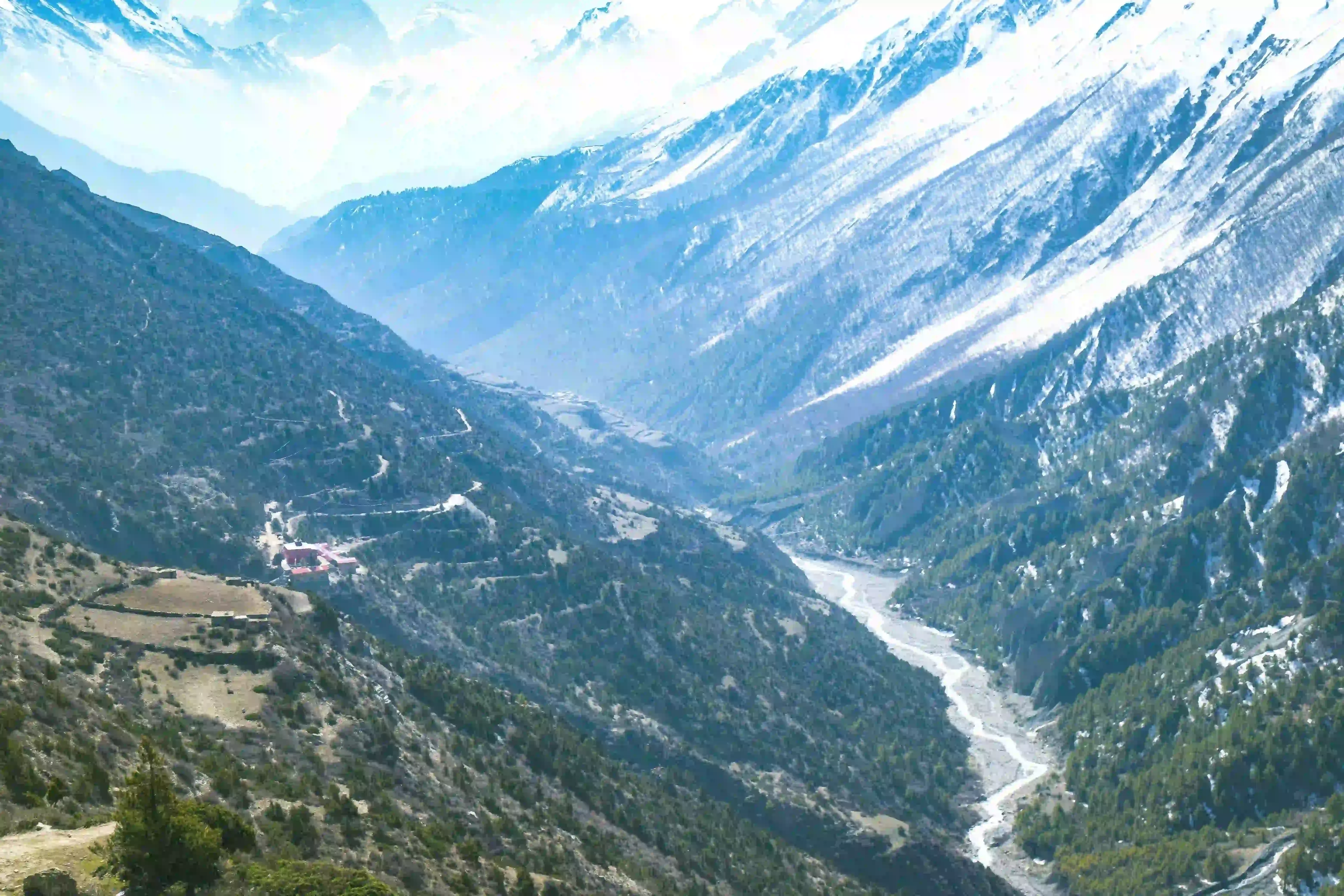
As winter approaches, high-altitude destinations experience colder nights and increased frost. Snowfall can affect passes above 5,000 metres, including Thorong La and Cho La, although the timing varies each year. Check local trail reports before crossing high passes.

Visibility and Air Quality

  • Mountain regions: Clear post-monsoon air often improves visibility, particularly during stable morning conditions.
  • Kathmandu Valley: Haze and pollution can still reduce visibility, even when rainfall is limited.
  • Helicopter travel: Mountain cloud, wind and visibility at the destination matter more than sunshine at the departure airport. Confirm flight operations before travelling.
For current conditions, consult the Department of Hydrology and Meteorology.

October Weather in Nepal

pexels-ashokjkshetri-16349069_result.webp

Late October: Rain, Clear Skies and Changing Conditions

Nepal's monsoon officially withdrew on 14 October 2026, but this does not guarantee uninterrupted sunshine. Westerly weather systems can still bring rain to the hills and snowfall to higher Himalayan areas.
  • Trail and road conditions: Trails may remain muddy or slippery after rainfall, while landslide-prone highways can experience local disruption.
  • Mountain visibility: Clear periods often provide excellent Himalayan views, but late-October rain and low cloud can temporarily obscure peaks and affect helicopter departures.
  • Typical temperatures: Kathmandu 13–26°C, Pokhara 17–28°C, and Jomsom 6–18°C. These are approximate October climate ranges, not a forecast for the final week.

November Weather in Nepal

Early to Mid-November: Crisp Days and Cold Nights

November is generally one of Nepal's driest months, making it popular for trekking and mountain sightseeing. Kathmandu typically ranges from 7–23°C, Pokhara from 12–24°C, and Jomsom from 2–15°C. Temperatures fall substantially at higher elevations, especially overnight.

Late November: Colder Nights and Possible Snow

As winter approaches, high-altitude destinations experience colder nights and increased frost. Snowfall can affect passes above 5,000 metres, including Thorong La and Cho La, although the timing varies each year. Check local trail reports before crossing high passes.

Visibility and Air Quality

  • Mountain regions: Clear post-monsoon air often improves visibility, particularly during stable morning conditions.
  • Kathmandu Valley: Haze and pollution can still reduce visibility, even when rainfall is limited.
  • Helicopter travel: Mountain cloud, wind and visibility at the destination matter more than sunshine at the departure airport. Confirm flight operations before travelling.
For current conditions, consult the Department of Hydrology and Meteorology.

October vs November: Which Is Better After Dashain?

October is better for milder temperatures, while November often offers drier trekking conditions and crisp mountain views. However, late October 2026 requires extra caution because forecast rain may temporarily affect visibility, road conditions and helicopter operations.

Mountain views and flights

October often brings excellent post-monsoon visibility, but late-month rain and cloud can interrupt mountain views. November generally offers more stable, dry weather, although high winds, fog and snowfall can still delay flights. For helicopter tours to Everest Base Camp or Annapurna Base Camp, check destination conditions not just the weather in Kathmandu or Pokhara.

Trekking comfort

October has milder daytime temperatures, especially at middle elevations. November is usually drier, but mornings and nights become colder, and high passes may experience snow or ice. Pack warm layers for either month.

Crowds and prices

Both months fall within Nepal's main autumn trekking season. October can be particularly busy around popular routes and festival travel dates, while November remains popular with international trekkers. Reserve accommodation, guides and domestic flights ahead of time; prices and availability depend on demand and the provider.

Temperature, Rainfall, Humidity & Wind

Temperature by altitude

Nepal's temperature generally falls by approximately 6°C for every 1,000 meters of elevation gain, although actual temperatures depend on weather, exposure and time of day.
City and Lukla figures are rounded climate averages; Namche and Everest Base Camp figures are indicative estimates, not verified station normals. Conditions can fall outside these ranges.

Rainfall, humidity and haze

Monthly rainfall figures are climate averages, not predictions for October or November 2026. Pokhara receives substantially more rainfall than Kathmandu because of its location near the Annapurna range.

Wind and daylight hours

  • October: Daylight lasts approximately 11–11.5 hours. Conditions are generally mild, but mountain winds and local weather disturbances can affect helicopter operations.
  • November: Daylight decreases to approximately 10.5–11 hours. Cooler mornings, stronger local winds and shorter flying windows can require careful scheduling.
  • High-altitude flights: Wind speed, turbulence, cloud clearance and visibility at the destination matter more than general valley weather. Flight decisions must follow the operator's operational limits and pilot assessment.

Trekking Conditions

Late October and November are popular trekking months in Nepal, but conditions vary by region and elevation. With rain forecast for the final week of October 2026, check local trail reports before departure rather than assuming all routes are dry.
  • Everest: The Everest Base Camp route via Lukla, Namche Bazaar, Dingboche and Gorakshep can offer clear mountain views between weather systems. Expect freezing nights at higher elevations and possible snow on exposed sections.
  • Annapurna: Annapurna Base Camp and the Annapurna Circuit generally have favorable autumn trekking conditions, but rain can leave lower trails slippery. Snow and ice may affect high passes such as Thorong La.
  • Langtang: Lower forest trails can remain wet after rainfall, while higher sections may experience frost or snowfall as temperatures drop in November.
  • Manaslu: Remote trails and high sections, especially around Larkya La Pass (approximately 5,106 m), require careful monitoring for snowfall, ice and changing weather.
Cold and high-pass cautions: Carry insulated layers, waterproof clothing, gloves and suitable footwear. Check pass conditions with local guides before crossing, and allow extra time if snowfall or poor visibility develops.

Flight Conditions

Helicopter Tours

Helicopter tours to Everest Base Camp, Kala Patthar and Annapurna Base Camp depend on visibility, cloud cover, wind and safe landing conditions at high altitude. Late-October rain may temporarily disrupt routes, while cold temperatures can affect aircraft performance at elevated landing sites.
  • Morning departures: Often preferred for mountain sightseeing, but flights still require suitable weather along the entire route.
  • Delays and cancellations: Operators may reschedule or cancel when conditions fall outside operational limits.
  • Booking advice: Keep a flexible itinerary and confirm flight status with your operator before travelling.

Domestic Mountain Flights: Lukla and Jomsom

Lukla flights are particularly sensitive to cloud and visibility at the airport and along the mountain route. For Jomsom, regular Pokhara–Jomsom services have been suspended for five months from October 2026, although charter flights remain available. Confirm current options before planning a trip.

Road Travel Conditions

After Dashain, return traffic can increase on major highways connecting Kathmandu with Pokhara, Chitwan and other cities. Rain can also leave roads vulnerable to landslides, damaged bridges and temporary closures.
A key example is the Kathmandu–Syabrubesi road, which remained disrupted following bridge damage reported in October 2026, affecting access to Langtang. Other trekking routes have reopened, but conditions differ by district.
Travel advice: Check road updates before departure, allow extra travel time and verify access with your trekking agency. Do not assume that an open trekking route automatically means its approach road is fully operational.
For other weather-related updates check our August and September Weather, July and August blogs.
For more Information: [email protected]

Share this post

Frequently Asked Questions.

What is the weather like in Nepal after Dashain 2026?

Nepal generally transitions into cooler, drier autumn weather after Dashain. However, rain and cloud can still occur in late October, with snowfall possible at higher elevations.

Will it rain in Nepal in the last week of October 2026?

Rain is possible in parts of Nepal, depending on the movement of weather systems. Check the latest Department of Hydrology and Meteorology (DHM) forecast for the affected regions before travelling.

Is November a good time to visit Nepal?

Yes. November is generally favorable for trekking and mountain sightseeing because rainfall is typically lower and visibility is often good. Nights become colder, particularly in the mountains.

What temperatures can travelers expect in Kathmandu and Pokhara?

In October, Kathmandu commonly experiences daytime temperatures around 24–26°C, while Pokhara may reach 25–28°C. November is generally cooler, especially in the mornings and evenings. Actual temperatures vary with weather conditions.

Is October or November better for trekking in Nepal?

October offers milder temperatures, while November is often drier with crisp mountain views. Both are popular trekking months, but late-October rain and November snowfall can affect individual routes.

Are Everest Base Camp and Annapurna Base Camp treks safe in November?

Both routes are commonly trekked in November, but safety depends on current weather, trail conditions, acclimatization and preparation. Check local reports and follow an experienced guide's advice.

Can rain affect helicopter tours in Nepal?

Yes. Rain, low cloud, strong winds and poor visibility can delay or cancel helicopter tours. Flights to Everest Base Camp, Kala Patthar and Annapurna Base Camp depend on safe conditions along the route and at the landing site.

Are Lukla flights affected by late-October weather?

Yes. Cloud, visibility and wind can affect flights to and from Lukla. Travelers should allow schedule flexibility and confirm flight status with their airline or helicopter operator.

Are Nepal's roads safe after Dashain?

Many roads remain operational, but heavy return traffic, rain-related landslides and local road damage can cause delays. Check the latest route updates before travelling to trekking destinations.

Where can I check Nepal's latest weather forecast?

Consult the official Department of Hydrology and Meteorology (DHM) for current forecasts and weather warnings. For mountain flights, confirm operational conditions directly with your flight operator.

Similar posts

Ready to turn your journey Into an adventure?

Phone

+977 9851455587

Main Branch

Galkopakha, Kathmandu, Nepal

Get Directions